
BNDES approves R$329 million for Rio’s 175-electric-bus partnership
Rio’s proposed 16-year concession covers buses, a public garage and charging equipment. The development bank’s approval is one part of a projected R$509 million first stage.
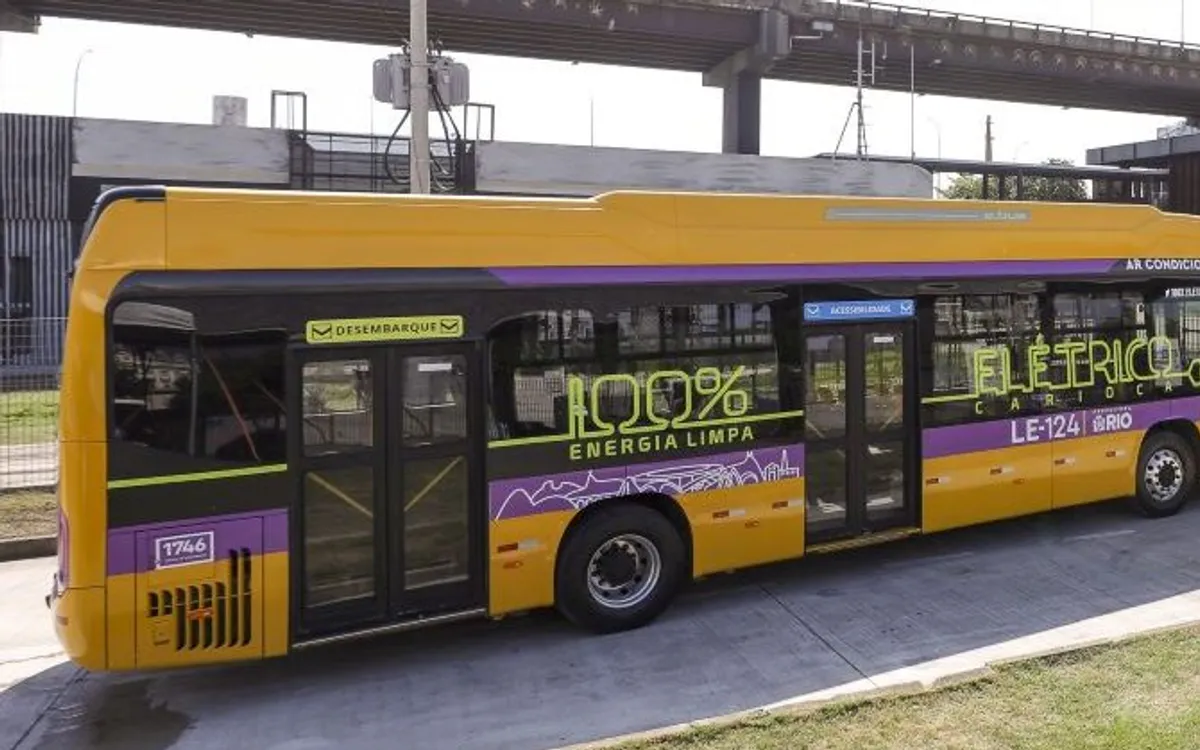
Brazil’s development bank BNDES approved R$329 million on September 25 to support Rio de Janeiro’s proposed public-private partnership for electric buses. The 16-year concession would cover the acquisition and operation of 175 electric buses, their charging infrastructure and a public garage. The financing is for the municipality under Fundo Clima, a programme administered by BNDES and coordinated by Brazil’s environment ministry.
Rio municipal transport secretary Jorge Arraes told BNDES the first batch represented an estimated R$509 million investment. In addition to the bank financing, the figure includes money expected from the concessionaire and a municipal contribution. Arraes also said the city would have to make payments to the concessionaire under the arrangement. The financing approval therefore secures one source of funding for a project that still depends on the concession structure and obligations of the other parties.
BNDES described the concession as covering vehicle operation as well as purchase. Arraes said the planned buses would have low floors, accessibility provisions and sensors and cameras for monitoring performance. BNDES also said the buses it finances have to be manufactured in Brazil. Which suppliers can compete depends in part on that requirement. The September announcement did not identify a vehicle maker, the battery specification or a charging contractor.
Garage construction and chargers are part of the same proposed concession as the first batch of buses. That matters for an operator because out-of-service time, charger access and maintenance have to be planned around the routes the vehicles will run. Rio’s transport department lists the electric lot separately in its procurement materials. At the time of the funding announcement, BNDES said the routes would be defined after public consultation. Route assignments would affect several operating assumptions, including how far buses need to run between charges and where they return for storage.
BNDES said the operation is expected to create 535 direct jobs, including drivers and service supervision staff. That is a project estimate. The decisions still ahead concern the operator, site configuration, vehicle orders and the date buses begin running. Rio and its bank partner have disclosed an initial fleet size and a financing commitment ahead of those milestones. For bidders, the package is a long-term operating concession with depot and vehicle obligations, alongside the purchase of the buses themselves.