
Saudi official puts Riyadh public transport usage near 500 million
The deputy transport minister’s figure covers the wider network in less than two years. He described an 85-station metro and buses using both electric power and conventional fuel.
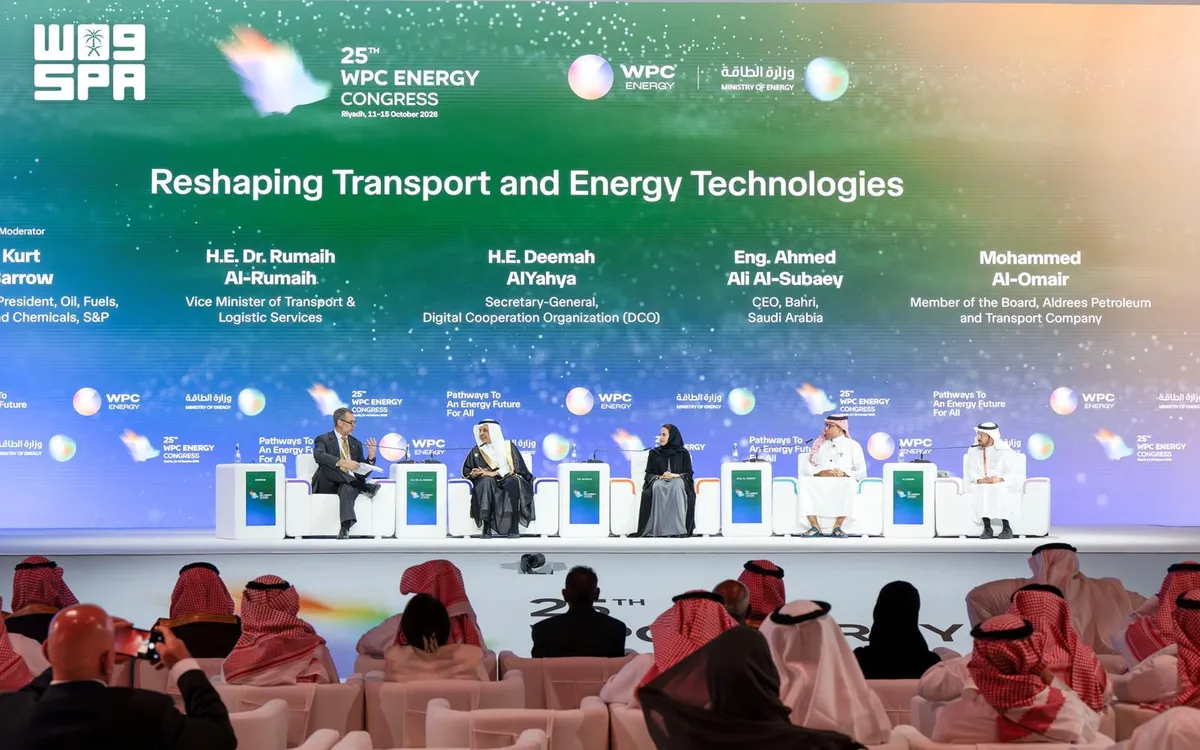
Riyadh’s public transport network recorded around 500 million uses in less than two years from the start of operation, Saudi deputy transport minister Rumaih Al-Rumaih said on October 13. He cited the figure at the World Energy Congress in Riyadh, as reported by the Saudi Press Agency. It covers public transport across the network. The minister did not give a separate bus total or say whether the number counts repeat use by the same passenger.
Al-Rumaih described the metro as having 85 stations and said Riyadh also has a bus network using a mix of electric power and conventional fuel. He did not specify how many buses use either power source. The Royal Commission for Riyadh City describes the metro as six lines spanning 176 kilometres. It also identifies four main interchange stations where metro lines and bus routes meet.
The commission’s public project description lists 80 bus routes and a fleet of 842 buses. It divides the main network into three rapid transit routes, 19 main routes and 58 feeder routes. Those routes connect neighbourhoods and other parts of the city with the metro and main destinations. The published fleet total is for the bus project broadly, without allocating that number by powertrain. The project description also refers to ultra-low-sulphur fuel for buses, while the minister spoke about a mix of electric power and conventional fuel.
For fleet planning, the distinction matters because a count of public transport uses cannot be assigned directly to bus routes or individual depots. A rider transferring between modes can create demand on both, and peak demand can vary between rapid transit and feeder routes. Likewise, a bus fleet total gives the scale of an operation without showing which buses need charging and which use a fuel depot.
The deputy minister linked public transport expansion in Saudi cities to the scope for greater use of electric transport and more varied energy sources. His account puts a usage figure on Riyadh’s combined network and describes the power sources used by buses in general. The operating details needed to assess a particular corridor are more specific. Route-level ridership, the number and type of buses on each route and their depot arrangements would show how that demand translates into vehicles and infrastructure.