
São Paulo receives 250 more electric buses under BNDES financing
The September batch includes 49 articulated vehicles. It brings the city’s count of battery-electric buses and trolleybuses to 2,009, according to SPTrans.
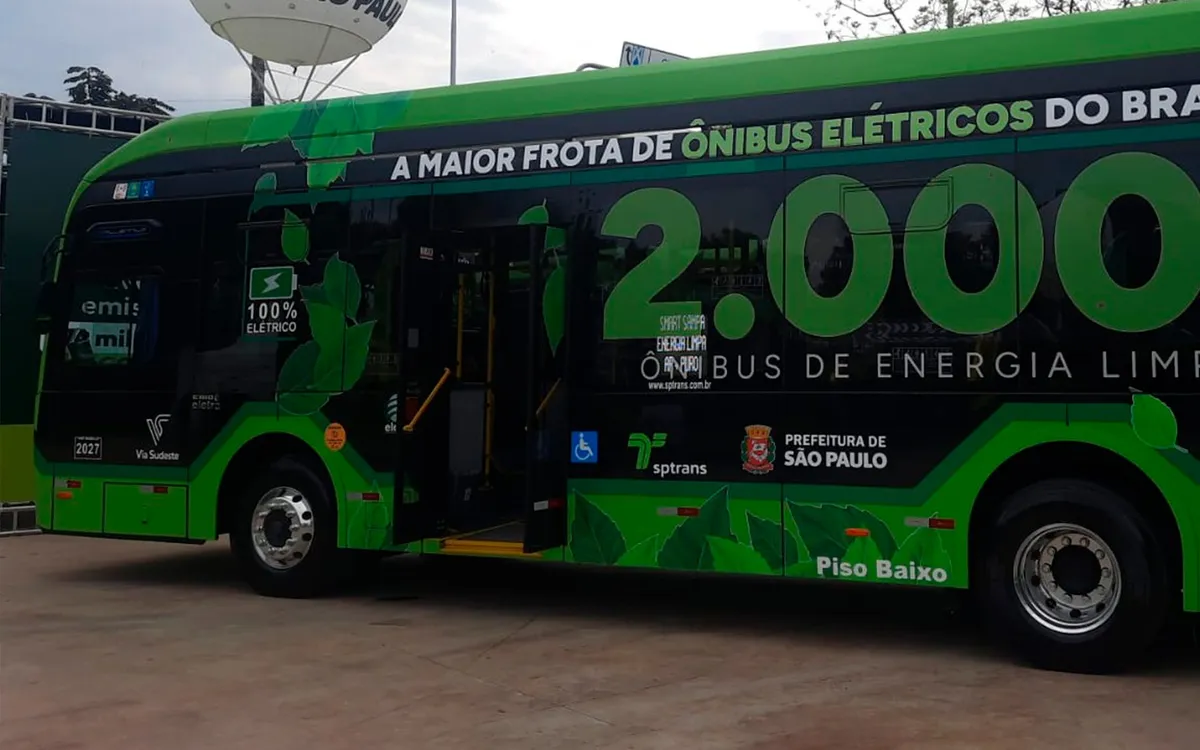
São Paulo took delivery of 250 electric buses for its municipal network on September 30, under a financing package approved by the Brazilian development bank BNDES. The transport authority SPTrans said 49 of the new vehicles were articulated. It put the city’s electric fleet at 2,009 vehicles after the delivery, including 1,821 battery-powered buses and 188 trolleybuses.
The latest batch belongs to a wider programme. BNDES said it approved R$2.5 billion for São Paulo in 2023. By September 30 it had released R$2.485 billion, enabling the acquisition of 1,185 electric buses including the latest 250. That number reflects purchases under the bank’s financing. It is smaller than the city’s total because the SPTrans figure counts the wider municipal fleet and includes vehicles powered by overhead wires.
SPTrans put the investment for these 250 buses at R$547.7 million and said financing for that batch was provided by BNDES. The bank said money from the wider programme is used for the city’s subsidy under its concession contracts, with payments made directly to bus manufacturers. Under that structure, BNDES says operating concessionaires are responsible for investment in charging infrastructure and for the share of vehicle acquisition costs that remains after the subsidy. The direct manufacturer payment and the responsibility for installing chargers sit with different parties.
The addition includes both articulated and other buses. An articulated bus can carry more passengers on a single trip, but the operator must be able to fit it into existing stops, turning paths and depot arrangements. A battery bus also adds a requirement for charger access at the times it is off the road. The trolleybuses in the city total have a different power supply, so combining the two fleets gives the scale of electrification without showing how much depot charging is required.
The September figures establish the number of buses delivered and where the funding had reached after three years. They leave open which routes will take each of the new vehicles and how charging will be scheduled. For fleet managers and manufacturers, São Paulo’s financing model is part of the story alongside the order size. It directs public support to vehicle acquisition while keeping charger provision with the companies that run the service.