
Brazil details financing for 82 Euro 6 buses in two states
The Refrota selections cover 57 buses for Greater Vitória, ten for Linhares and 15 for Itaquaquecetuba, with funding drawn from Brazil’s FGTS fund.
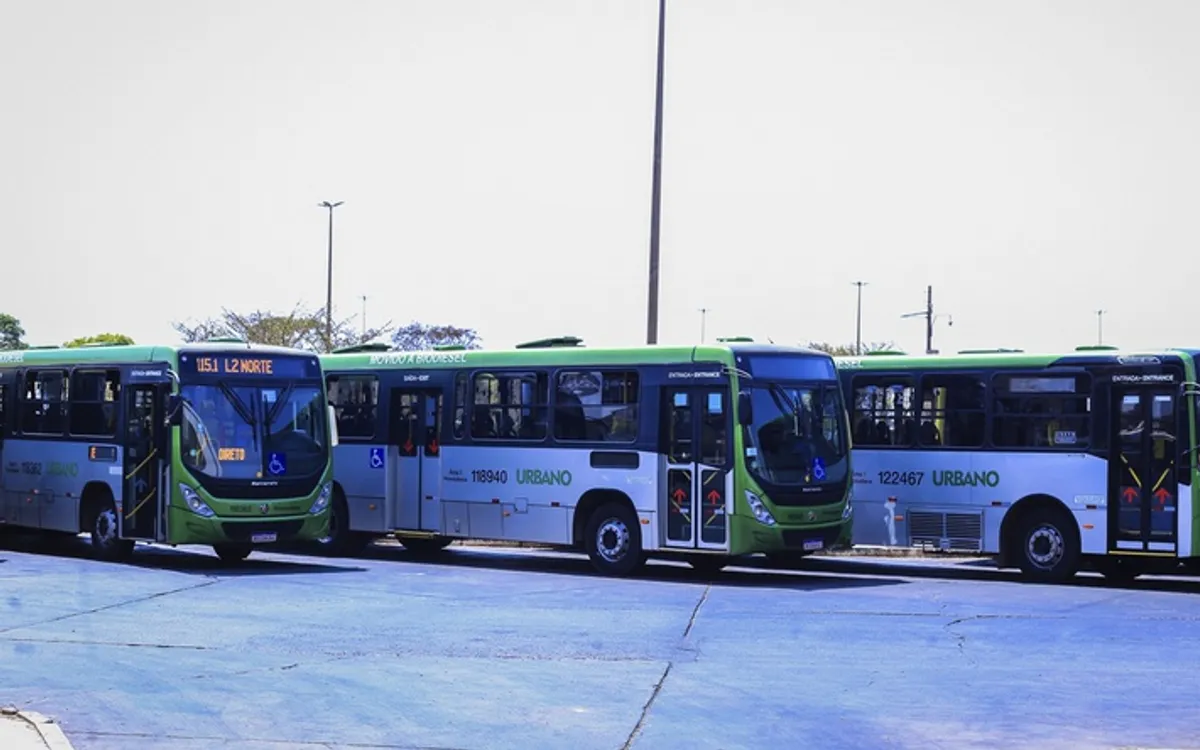
Brazil’s Ministry of Cities said on October 26 that federal fleet renewal financing selections covered 82 new Euro 6 buses in Espírito Santo and São Paulo. The ministry set out R$50 million for 57 buses in Greater Vitória, R$8.9 million for ten in Linhares and R$10.3 million for 15 in Itaquaquecetuba. Those rounded figures total about R$69 million.
The Greater Vitória vehicles are intended to serve Cariacica, Viana, Vitória, Vila Velha and Serra. Two federal orders identify separate operators for those municipalities. They list Nova Transportes for R$32.87 million and Santa Zita Transportes for R$17.157 million. Both list Banco Mercedes-Benz do Brasil as the financing agent. Combined, the amounts are just over R$50 million. The ministry gives one total of 57 vehicles for the metropolitan area, while the two orders state the distribution of loans between operators.
The Linhares financing covers buses for that city’s urban network in northern Espírito Santo. A separate federal order for Itaquaquecetuba names Quatai Transporte de Passageiros as the operator and Banco Bradesco as the financing agent, with about R$10.36 million selected. The Ministry of Cities reported the new vehicles as Euro 6 across the three areas. It did not give the manufacturer, body type or new service assignments for each batch in its October summary.
The ministry says private-sector financing in the selections comes from Brazil’s FGTS fund through its fleet renewal programme. The orders were published on October 16. The country’s 2026 programme guidance allows private operators 12 months from the selection’s publication to sign a financing contract. Selection is therefore earlier than completing the purchase or taking delivery. The ministry describes the programme as supporting the replacement of less efficient vehicles and says amounts depend partly on local operating needs and vehicle type.
The ministry reports that since 2023 the programme selected more than R$20.3 billion for around 3,200 electric buses and 11,900 Euro 6 buses in more than 150 municipalities. The October selections concern Euro 6 buses for specific markets. For the operators and manufacturers involved, the loan amounts and vehicle counts set the scale of procurement. Production schedules, depot arrangements and the dates passengers begin using the vehicles will come later, as individual purchases and route plans are settled.
Sources
- Brazil Ministry of Cities
- Brazil Official Gazette, Nova Transportes selection
- Brazil Official Gazette, Santa Zita selection
- Brazil Official Gazette, Itaquaquecetuba selection
- Ministry of Cities, 2026 private Refrota contracting rules