
Brazil EV group brings charging and vehicle finance proposals to Alckmin
The industry association discussed seven priorities with Brazil’s acting president, including charging access in buildings, infrastructure taxes and finance for electric buses and trucks.
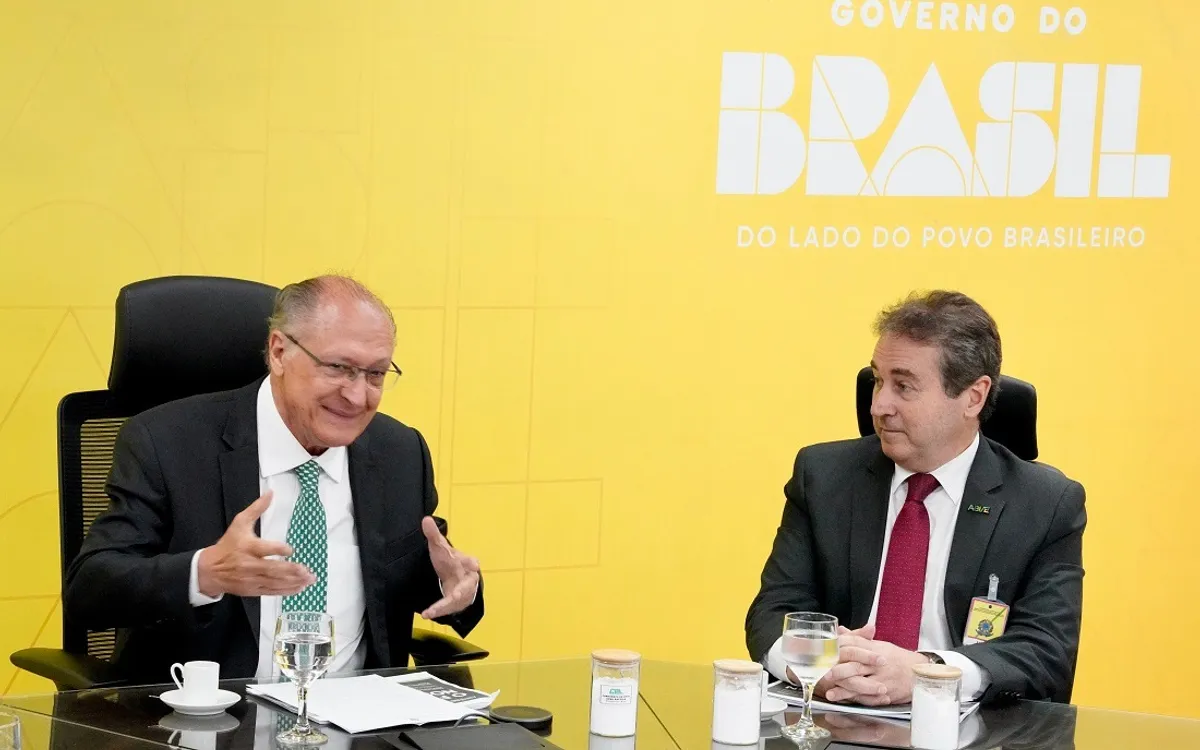
The Brazilian Electric Vehicle Association met acting president Geraldo Alckmin on November 13 in Brasília to discuss charging, manufacturing and vehicle finance. ABVE said Alckmin agreed to review possible action on seven items. They include a federal right to install chargers in buildings and a review of how public charging is taxed. The meeting is a step in policy discussion, with the proposals still to be assessed.
ABVE said the building proposal drew on measures in several states, including São Paulo and Bahia. It also asked for steps to expand public charging for cars, buses and trucks, including work with highway concessionaires. Another item seeks clarity over the tax treatment of an EV charging session. The group described uncertainty over applying the municipal services tax, known as ISS, or the state tax on goods and services, known as ICMS. The requests address charging at homes and buildings as well as at commercial sites.
The other topics cover decarbonisation support, industrial scale and access to vehicle finance. ABVE described a proposal to link battery energy storage production to demand for traction batteries. It asked for a review of credit restrictions affecting electric motorcycles used by app-based workers and discussed special BNDES finance for electric buses and heavy trucks. The group says Alckmin was acting as president while President Luiz Inácio Lula da Silva was abroad.
The association put electrified vehicles at 21.5% of the light-vehicle market in October when presenting its figures. It counted 29,866 public charging points in September and said 38% had fast charging. The October share covers electrified powertrains as defined by ABVE. The charger count describes infrastructure, and it does not by itself establish which properties or routes can rely on it.
Separately, Brazil’s Ministry of Mines and Energy invited contributions to a national assessment of EV charging infrastructure. Its consultation is a government exercise in collecting information and has a different scope from ABVE’s seven proposals. For charge-point operators and fleets, the meeting identifies policy questions that could affect installation, the cost of supplying energy and access to loans. The result still depends on any later legislation, rules or financing products. ABVE reported Alckmin’s commitment to look at the proposals, and gave no timetable for adopting them.
Sources
- Associação Brasileira do Veículo Elétrico
- Brazil Ministry of Mines and Energy, national charging infrastructure consultation