
Brazil starts national EV strategy with work on charging and battery supply
Brazil’s energy policy council has set up a 120-day working group to propose a national strategy. Grid integration, battery minerals and heavy vehicles are among its areas of work.
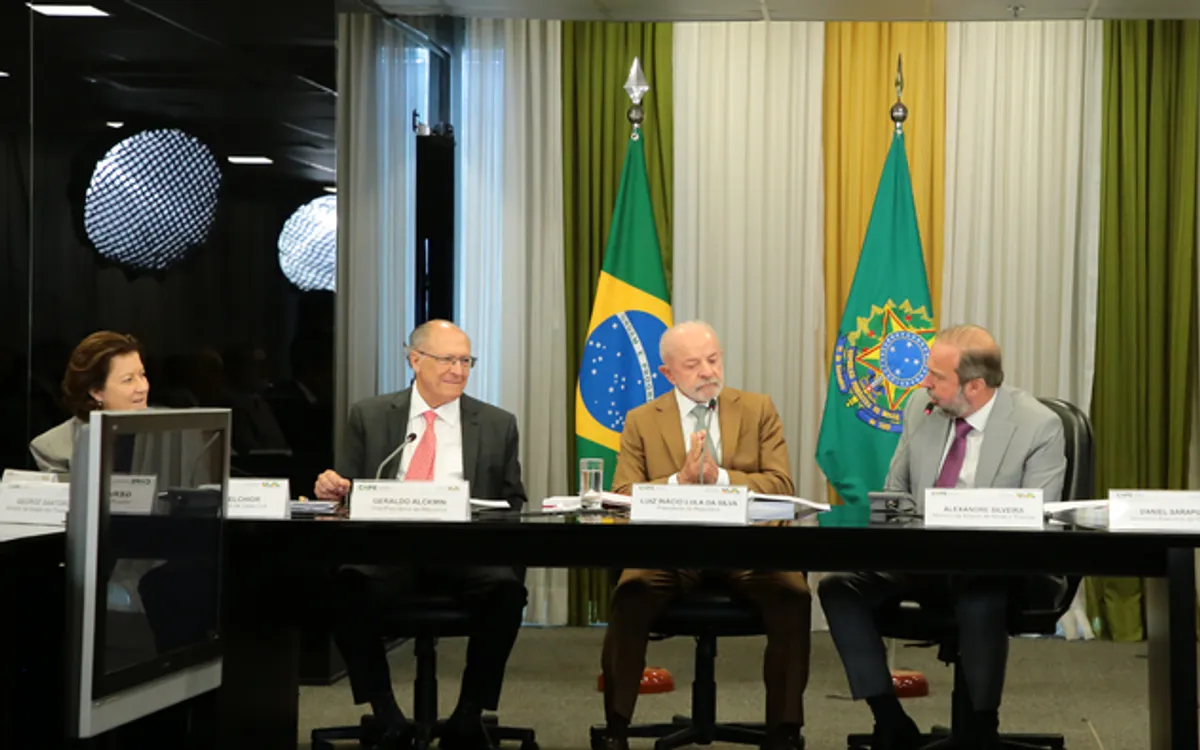
Brazil’s energy policy council approved a working group on November 6 to lay out a national strategy for electric mobility. The Ministry of Mines and Energy will coordinate it. Its remit includes where to expand charging infrastructure, how to connect it to distribution networks and how to account for added transport demand in national power planning. The group has 120 days to work, with provision for an extension of the same length.
Charging needs already vary across the market. The ministry cited Brazilian Electric Vehicle Association data showing 381,609 registrations of electrified light vehicles between January and September 2026. That total includes battery-electric and hybrid vehicles and was almost 70% higher than the tally for the whole of 2025. Of the nine-month total, 303,457 were battery-electric or plug-in hybrids, roughly four-fifths. That is the subset the ministry described as depending on external charging. In September alone, electrified models accounted for 19.8% of light-vehicle sales, the ministry said.
The initiative follows an October consultation specifically about charging infrastructure. The ministry sought evidence on how drivers get access to charging, connection to the grid, distribution planning, regulatory barriers and concentrated loads. It singled out city buses, logistics and app-based fleets, and highway fast charging as examples of concentrated demand. The announced consultation deadline was November 22. The consultation gathers information from operators and others with practical experience, while the new group is tasked with proposing strategy guidelines and changes to governance.
The group will also examine industrial and environmental questions. Its five technical areas cover infrastructure and electricity planning, industry and the battery supply chain, lifecycle emissions, heavy vehicles and urban transport, and existing mobility policies. Among the stated objectives are evaluating the sustainability of critical mineral supply for batteries and analysing the costs and benefits of measures to develop domestic industry. The ministry expects a final report to go to the council, with a diagnosis of the market and recommendations for regulatory changes.
For charging providers and bus or freight fleets, the two ministry actions address issues at different stages. The consultation asks about real loads and connection constraints. The working group is expected to use evidence to propose broader rules and planning priorities. The November decision starts that work and sets its initial timeframe. It did not announce charging targets, funding allocations or a date when operators will face new connection requirements.
Sources
- Brazil Ministry of Mines and Energy
- Brazil Ministry of Mines and Energy, October charging consultation