
Utah’s share of crashes involving alcohol fell after it lowered the driving limit
IIHS found roughly a 9% decline in the share of Utah crashes involving alcohol following the 0.05% limit, with larger relative changes against neighbouring states.
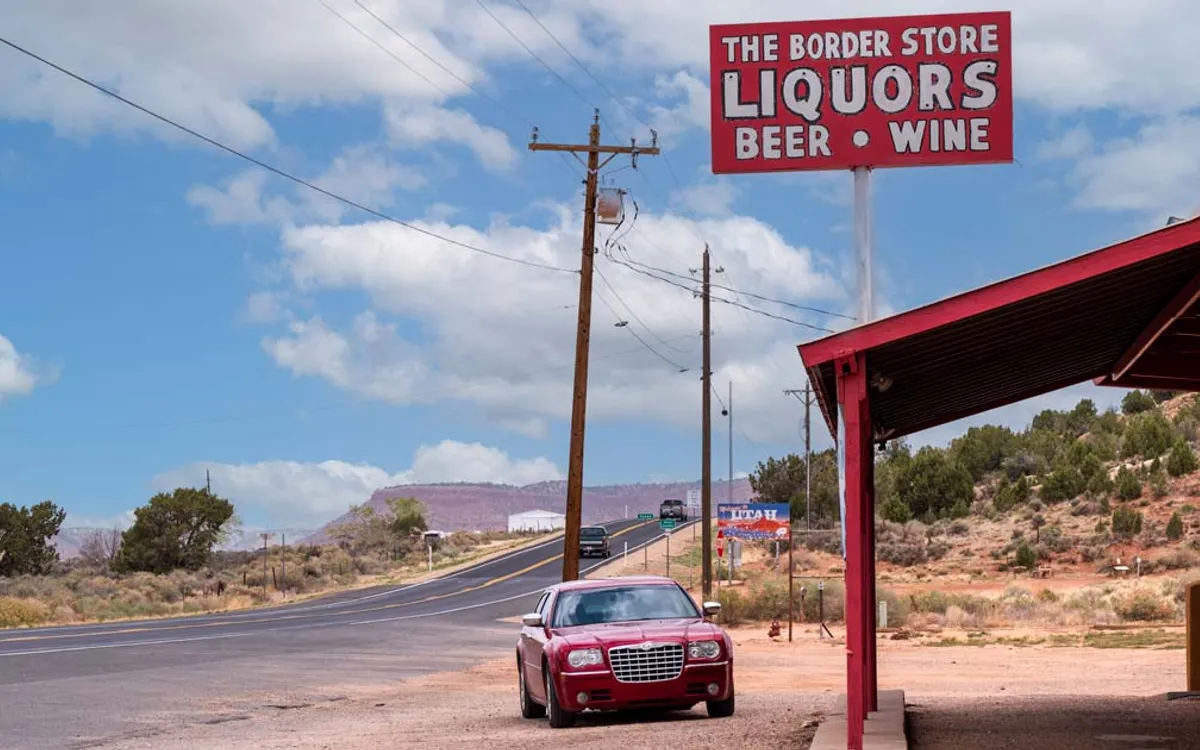
Utah’s share of crashes involving alcohol fell roughly 9% after the state lowered its impaired-driving blood alcohol limit to 0.05% from 0.08%, according to a four-year analysis released by the Insurance Institute for Highway Safety in October. The change took effect on December 30, 2018. Researchers found a bigger decline in Utah relative to Arizona, Colorado and Idaho, though they caution that Utah’s low baseline and the pandemic make it difficult to isolate the size of the change associated with the law itself.
The analysis expands on earlier research that tracked the first year of the new limit. In addition to alcohol involvement recorded by responding officers, the researchers counted crashes for which positive test results were added later and crashes involving a driver who refused a blood alcohol test. They examined the share of crashes involving alcohol and checked injury crashes separately. The alcohol-involved share of injury crashes fell 12%, according to the institute.
The study also accounted for a gap between the law’s passage and its effective date. Publicity began before the lower limit took effect, so researchers analysed that period separately. The percentage of crashes involving alcohol had already dipped after passage and then declined by about 9% once the law was in force. Results for single-vehicle crashes at night, used as an indirect indicator of alcohol involvement, were inconclusive.
The pandemic complicated the comparison. IIHS said alcohol involvement spiked in Utah during the first lockdown months in 2020 and then eased. The post-law decline still appeared when pandemic months were excluded, but the smaller sample made the estimate for Utah alone statistically inconclusive. Over the longer period, Utah’s alcohol-involved share of crashes fell by 12% to 21% relative to the three comparison states. Their alcohol-related crash patterns also shifted during the pandemic.
The National Transportation Safety Board recommended a 0.05% limit in 2013. Utah became the first US state to adopt one, the study says. For safety planners and insurers looking at policy effects, the report’s value is its longer window and the comparison across states, rather than a single national estimate. It supports a distinction between an observed change in Utah and a forecast for places with different patterns of alcohol use, enforcement and reporting. The researchers say those differences limit how directly their estimate can be applied elsewhere.