
Telematics study finds pre-crash phone use missed in US police reports
IIHS linked nearly 17,000 crash reports to records from voluntary driving apps. The apps detected phone use in the prior 30 seconds in 7% of single-vehicle and 8% of two-vehicle crashes.
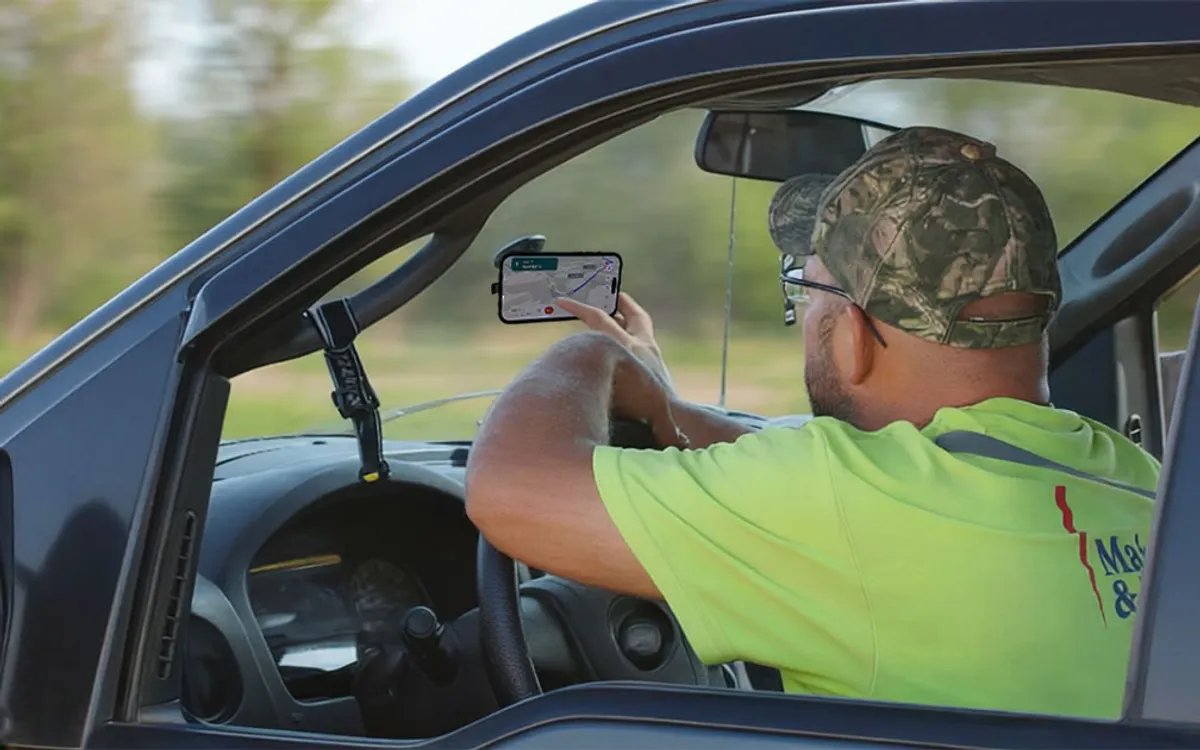
Phone use appeared in less than 1% of the police reports in a US set of nearly 17,000 crashes. Telematics records for the same collisions showed phone use in the 30 seconds before 7% of single-vehicle crashes and 8% of two-vehicle crashes, the Insurance Institute for Highway Safety reported on August 27. The comparison gives insurers and fleet safety teams a reason to treat the official crash report as an incomplete measure of what drivers were doing in the moments before impact.
Researchers linked police crash reports from four states between 2021 and 2024 to anonymised data from Cambridge Mobile Telematics. The phones belonged to people enrolled voluntarily in safe-driving programmes using that platform. A match required incidents to occur within a 15-minute window and a mile of each other. The sample included 1,543 single-vehicle crashes and 15,301 two-vehicle crashes. The study recorded behaviour for both drivers in two-vehicle collisions where both participated in compatible programmes.
A shorter observation window still showed a discrepancy. Within ten seconds of a crash, the apps detected phone use in 4% of single-vehicle and 5% of two-vehicle collisions, according to the study abstract. The records count tapping or swiping, handheld or hands-free calls, and times when the screen was unlocked without detected handling. The last category can include activities such as navigation. Phone handling and passive unlocked-screen use were the most frequently observed behaviours. Calls were much less common.
Police forms and app records categorise behaviour differently. The researchers could not see which app a driver used or whether the driver actually looked at an unlocked screen. The data also do not establish who was at fault or whether phone activity caused the collision. Almost no cases had the same type of phone use identified as a crash factor in both sources, according to the study. These limitations matter when an insurer or safety manager uses the data to investigate an individual crash.
IIHS estimated that police reports could undercount pre-crash phone use by at least a factor of seven in the matched sample. That figure describes the gap in detection. Its usefulness for fleet safety lies in showing which behaviours a record can capture and what further information a review needs. The researchers advise caution when using crash reports alone to estimate how much phone distraction contributed to crashes or injuries.