
China’s electric truck sales rise as operating costs close the gap
The IEA finds a cost advantage for battery-electric trucks in some Chinese operations. One long-haul trial shows the charging time behind its energy savings.
Global electric truck sales roughly doubled in 2025 and reached 9% of new truck sales, according to the International Energy Agency’s Global EV Outlook 2026. Most of the growth came from China, where about one truck in four sold during the year was electric. The same report puts the typical upfront price of an electric truck at two to three times that of a diesel. Fleet operators evaluating a replacement therefore face different answers depending on whether they are budgeting for the purchase or comparing the full operating life.
In China, the IEA found that battery-electric heavy freight trucks could cost more than 10% less to own than comparable diesel trucks under the assumptions of its 2025 model. The estimate varies with charger utilisation and the analysis uses energy prices for that year. A depot charging several trucks can spread its infrastructure cost over more energy sold or used. A depot that installs the same capacity for only a few deliveries would have less use over which to recover the investment. That difference helps explain why a country-level estimate cannot substitute for a fleet’s own costing.
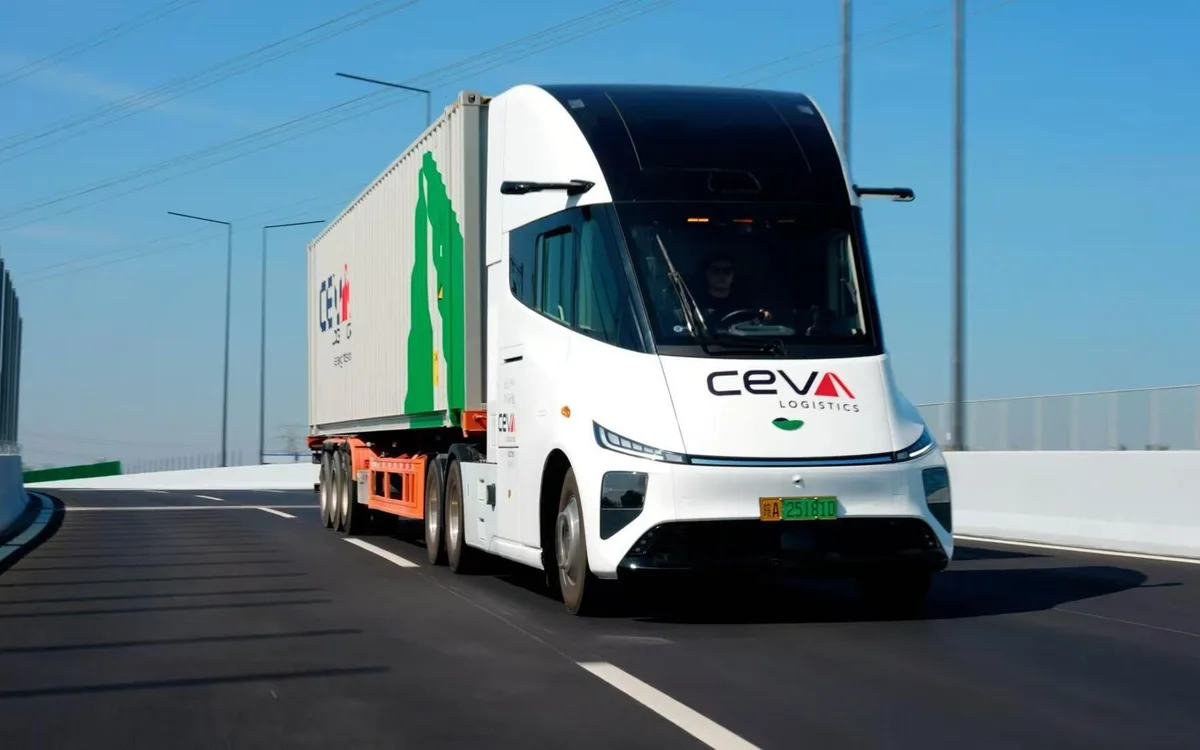
A trial reported by CEVA Logistics illustrates how energy savings and dispatch constraints can show up on the same run. CEVA sent an electric heavy truck from Shenzhen to Alashankou, a journey it put at 5,000 kilometres. The company reported 43% lower energy costs than diesel on the trial. It also recorded nine charging stops averaging three hours each. Those figures describe a single planned route. The reported saving covers energy, while the stops indicate the separate time a carrier must make room for in its schedule.
The agency expects electric trucks in Europe to reach ownership-cost parity with diesels by 2030. It found more than 4,000 public charging points in the EU that can accommodate trucks, including chargers shared with lighter vehicles. Roughly 30% are for trucks alone. For a fleet running fixed routes, a map of working chargers at the right stops is more useful than that continent-wide count. A procurement comparison can then use the fleet’s kilometres, realised electricity and diesel prices, charger use and the time each vehicle spends off the road. Those inputs determine whether the lower energy bill can cover the higher purchase price on the fleet’s own duty cycle.
Sources
- IEA electric truck sales and heavy-freight ownership costs
- IEA — electric truck economics
- IEA electric truck charging chapter
- CEVA Logistics 5,000-kilometre China trial