
China’s August dealer survey points to uneven response to local subsidies
The inventory alert index reached 62.3%. Only 12.9% of surveyed dealers reported a strong effect from newly offered local incentives.
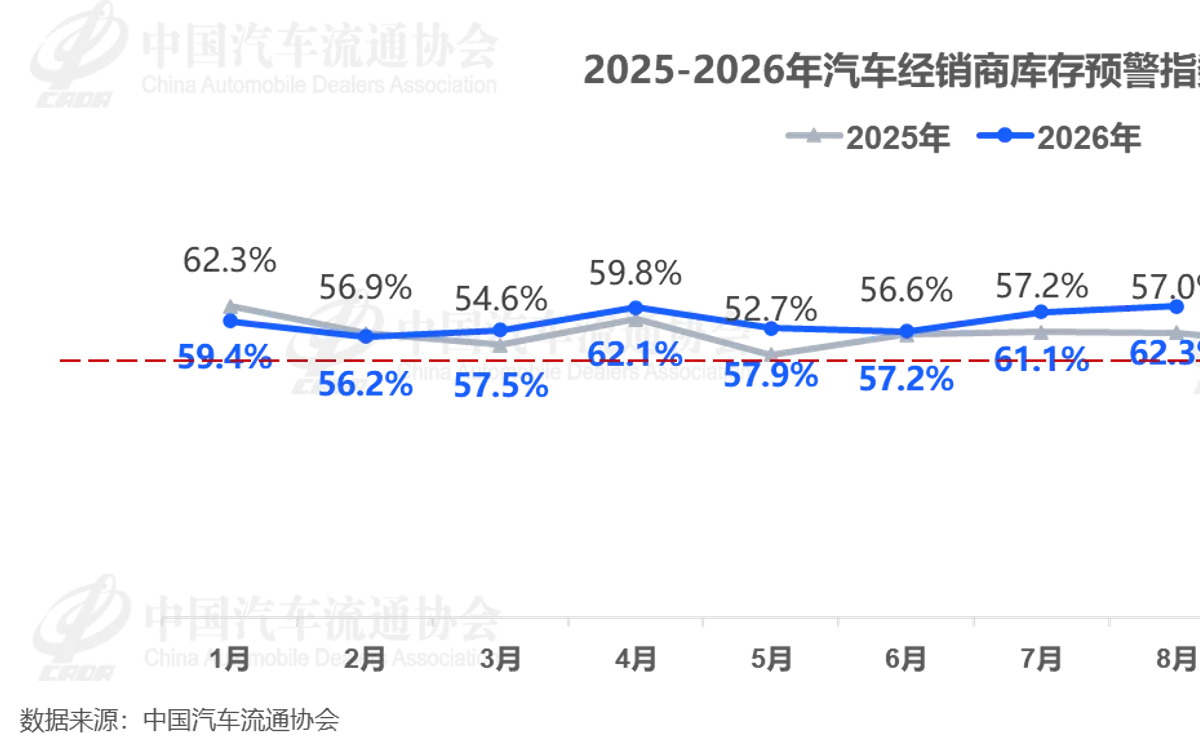
Chinese dealers reported rising inventory pressure in August even as showroom traffic improved later in the month. The China Automobile Dealers Association put its Vehicle Inventory Alert Index at 62.3% on August 31, up 1.2 percentage points from July and 5.3 points from a year earlier. The rise came in a month when some local authorities were introducing new purchase incentives. Dealers gave mixed answers about whether the support was enough to close sales.
The association said 12.9% of respondents saw a clear stimulus from the incentives and 37.6% reported a limited lift. Another 31.2% in total said their region either had no new support or had seen almost no effect. The group did not publish yuan amounts for each programme in its survey. A second question separated respondents who thought the measures were mainly positive from those who saw a short-term boost but a disruption to buying patterns. The two answers drew 32.3% and 28.0%, respectively.
The responses came after a soft start to August. The association attributed early weakness to summer heat, typhoons and rain. It said traffic picked up later as demand returned and the Chengdu motor show brought new preorders. Indicators for demand and daily sales rose from July, while those for dealership employment and operating conditions declined. Dealers reported selling some new cars below cost, manufacturers pushing stock into their networks and cash becoming tight even as some visits returned.
Regional results also diverged. The alert index reached 67.6% in the west and 66.0% in the south, compared with 61.8% in the east and 59.5% in the north. From July, the south moved up after weeks affected by weather and delayed buying, according to the association. The north eased from July’s 63.1%. The association defines the regions by groups of provinces. The numbers are composite survey readings with 50% as the threshold, separate from the number of days of vehicle supply.
In a follow-up on September 10, CADA put August’s stock-to-sales coefficient at 1.58, up from 1.48 in July. That ratio measures end-of-period stocks relative to sales and offers a second view of why selling conditions remained difficult. For a dealer arranging the next month’s orders, the purchase incentives mattered to timing and demand where they were offered. The survey answers make clear how differently local dealers experienced the change, even against the same national increase in reported inventory pressure.
Sources
- China Automobile Dealers Association, August inventory alert index
- China Automobile Dealers Association, July inventory alert index
- China Automobile Dealers Association, August inventory coefficient