
BMW adds Samsung SDI in Europe and LG Energy Solution in the US for Gen6 battery cells
BMW Group named Samsung SDI as an additional European cell supplier and LG Energy Solution as its US supplier for sixth-generation high-voltage batteries, with deliveries from established plants in each region starting in the late 2020s. Europe's cell roster now runs to CATL, EVE Energy and Samsung SDI.
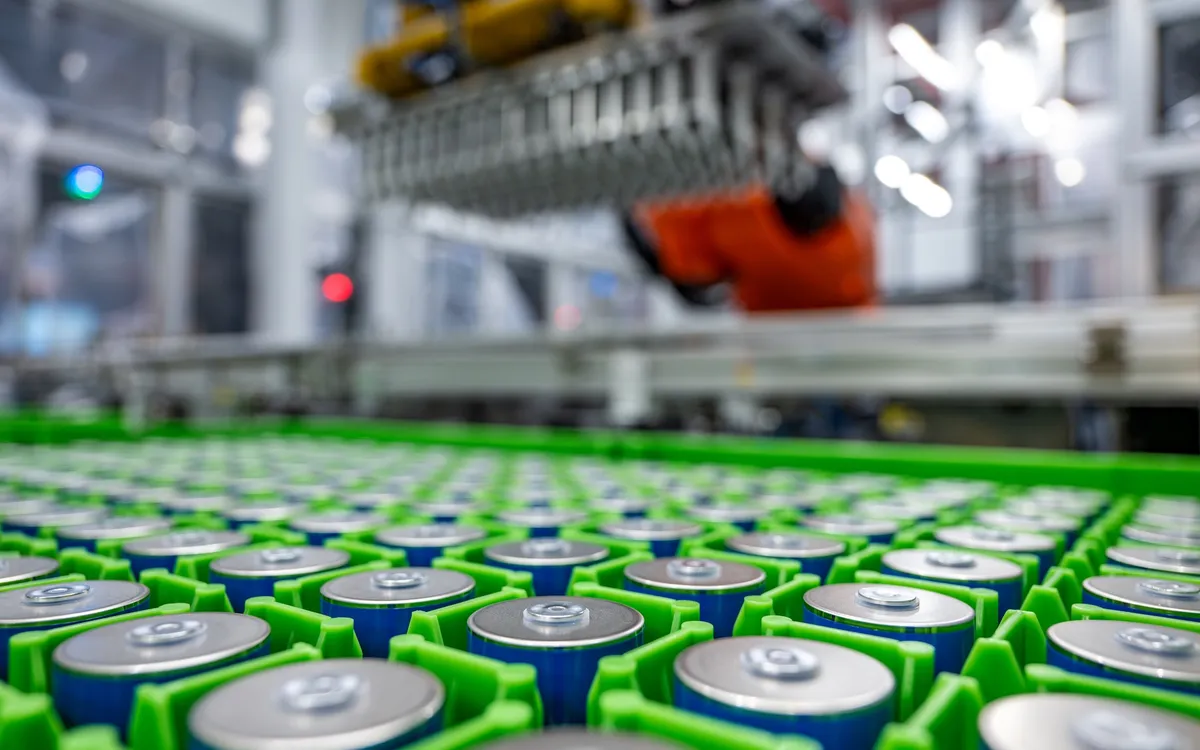
BMW Group said on 9 November 2026 that Samsung SDI will supply sixth-generation (Gen6) battery cells in Europe and LG Energy Solution in the United States, both from established plants in those regions and both starting in the late 2020s. The nominations add to a European cell roster that BMW now lists as CATL, EVE Energy and Samsung SDI. LG Energy Solution is named only as a US supplier.
The change is geographic rather than chemical. BMW frames the move under its "local for local" purchasing principle, under which components are bought close to where vehicles are built. Cells are shipped to five new Gen6 high-voltage battery assembly sites that BMW has built beside vehicle plants: Irlbach-Straßkirchen in Lower Bavaria, Debrecen in Hungary, Shenyang in China, Woodruff in the US state of South Carolina, and San Luis Potosí in Mexico. The pairing of cell plants and pack plants in the same region is the mechanism BMW cites for shorter transport distances and supply security.
The release does not state cell chemistry, energy density, contracted volumes, contract value or the specific plant each supplier will use. It also gives no split of how much of BMW's Gen6 cell demand each of the three European suppliers will carry, so the relative weight of Samsung SDI against CATL and EVE Energy cannot be determined. BMW did not name any prior US cell supplier being replaced by LG Energy Solution, and the document gives no baseline against which the added localisation can be measured.
Hendrik Lang, BMW's head of purchasing and quality for high-voltage batteries, is quoted saying the partner network gives the company a "resilient, flexible and competitive" cell supply. That is a company assessment of its own sourcing position, not an audited or disclosed figure. BMW's statement that localisation strengthens regional value creation and secures jobs is likewise a corporate claim attached to the programme rather than a measured outcome.
Battery cells shape range and charging performance, and BMW buys them from external manufacturers while keeping development and testing in-house. Its Battery Cell Competence Center in Munich studies new cell technologies, the Cell Manufacturing Competence Center in Parsdorf builds and tests near-series cells, and a Cell Recycling Competence Center in Salching is to recover raw materials through a direct recycling method BMW owns the intellectual property to. Encory GmbH will build and operate the recycling centre.
The supplier additions matter most for the five pack plants, which need cells in volume as Gen6 vehicles ramp. For suppliers, the nominations lock in regional volume but leave open how BMW will allocate orders if one plant underdelivers. BMW says competitive localisation demands significant investment, effective supply chains and a willingness among technology partners to establish local operations, and calls for local conditions and workable regulation covering the industrialisation period. It did not set a start date for cell deliveries beyond the late-2020s window. The release carries no production volume or vehicle model allocation for the new contracts.