
ACEA and SMMT press EU-UK summit to fix EV rules of origin before 2027 tariffs
Europe's and Britain's car lobby groups urged leaders at the 21 November 2026 EU-UK summit to keep most electric vehicle trade tariff-free when tougher rules of origin take effect on 1 January 2027, warning of a €1.8bn bill.
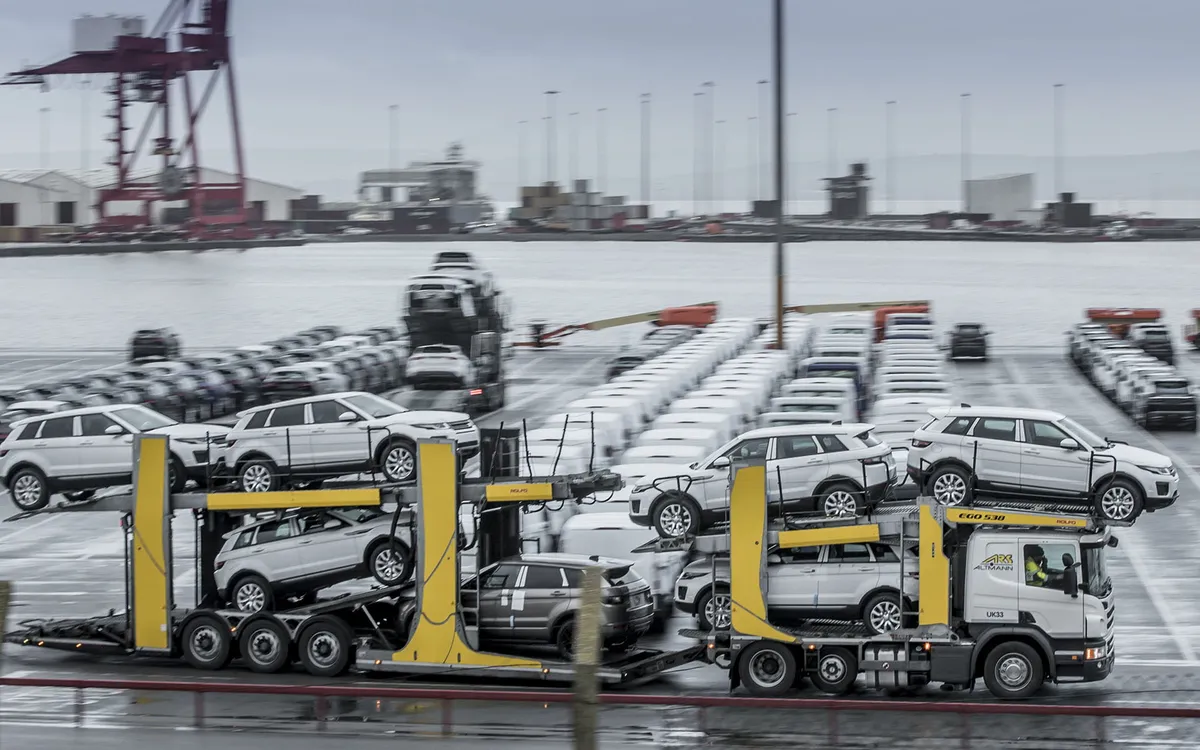
The European Automobile Manufacturers' Association and Britain's Society of Motor Manufacturers and Traders called on EU and UK leaders to agree rules-of-origin fixes before tougher terms take effect on 1 January 2027, warning that a combined €1.8bn in electric vehicle tariffs is otherwise exposed in that year alone. The two groups issued the appeal on 17 November 2026, ahead of a summit that Friday, according to a joint statement.
Under the EU-UK Trade and Cooperation Agreement, stricter origin requirements for battery electric and plug-in hybrid vehicles begin applying on that date. Industry surveys cited by the two associations suggest fewer than one in four such cars and vans traded across the Channel next year will comply, exposing hundreds of thousands of vehicles to a 10% tariff. The groups put the 2027 exposure at almost €400m on UK exports to the EU and €1.4bn on EU exports to the UK, figures that sum to the €1.8bn headline.
The mechanism behind the shortfall is battery supply. Despite an estimated €72bn invested in European battery and electric vehicle manufacturing facilities since 2017, the EU still imports around two-thirds of its lithium-ion batteries, and the UK's manufacturing base is smaller. Neither market will have enough qualifying supply by 2027, the groups said, a gap that matters because EU battery electric vehicle exports to the UK have grown tenfold in value since 2019.
The trade is not marginal. The UK is the EU's largest export market for vehicles, the EU is the UK's largest automotive trading partner, and EU manufacturers sell more automotive components to the UK than to any other global market. UK automotive production supports €24bn of economic activity across the EU and sustains 250,000 jobs through supply-chain activity, according to Oxford Economics analysis cited in the statement. EU-built cars accounted for 61.6% of UK battery electric vehicle sales in 2025 and 49% of plug-in hybrids.
The associations made two requests. First, they want pragmatic rules-of-origin solutions that keep the bulk of electrified vehicle trade tariff-free while battery supply chains develop, protect manufacturers already investing to comply, and support compliance as soon as possible. Second, they want UK-built vehicles, parts and batteries given equivalent treatment under the EU's proposed Industrial Accelerator Act, so they are not excluded from Made in Europe incentives and procurement.
The statement's arithmetic is straightforward: €400m plus €1.4bn equals €1.8bn. The 10% tariff rate is the default that applies to non-qualifying vehicles, so the exposure figure is the tariff cost if current compliance rates hold rather than a projection of lost sales. The groups did not quantify how many vehicles would qualify if rules were relaxed.
Both bodies framed the issues as a single test of the EU-UK partnership. They stopped short of proposing specific origin thresholds or phase-in schedules, leaving the negotiating detail to governments at the summit.