
Truckmakers press EU for higher axle limits on zero-emission trucks
ACEA is asking EU negotiators to raise both axle and total weight allowances. It reports that zero-emission vehicles took just 2.5% of the market for trucks over 16 tonnes through September.
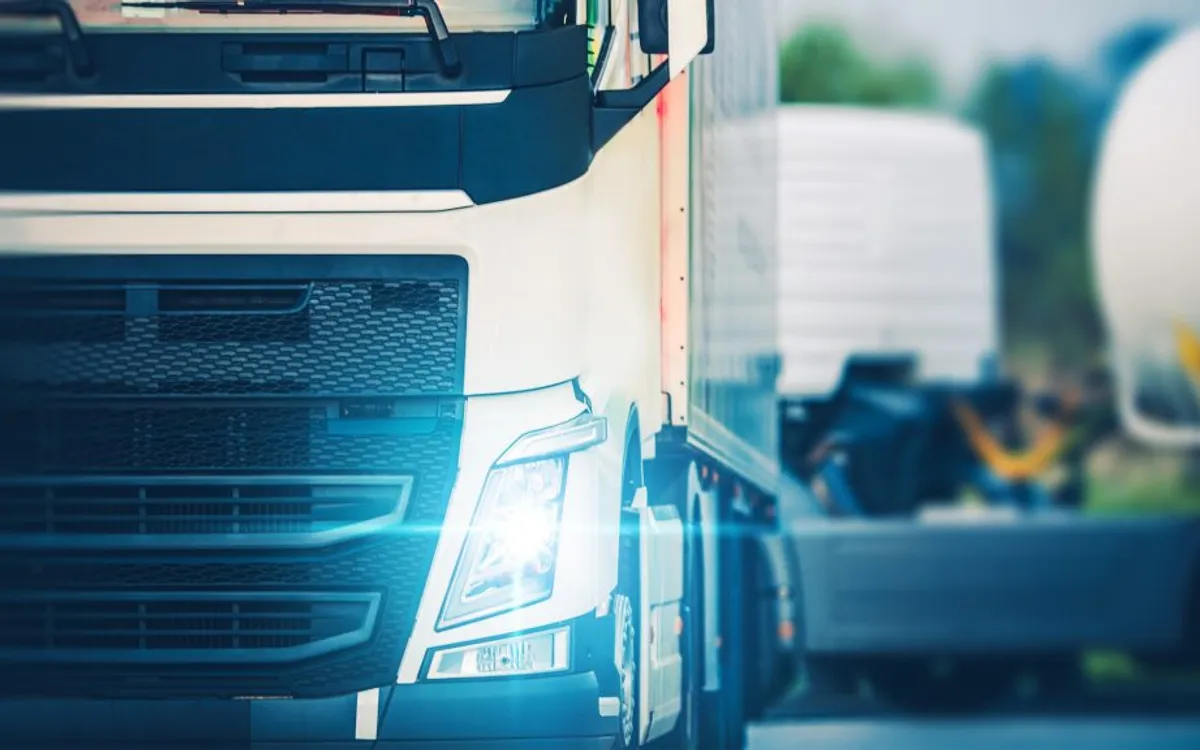
Europe’s truck and bus manufacturers asked EU negotiators on 19 November to raise both axle and total weight limits for common zero-emission truck configurations. The European Automobile Manufacturers’ Association, known as ACEA, said the proposed compromise on the Weights and Dimensions Directive falls short of what is needed for those trucks to carry competitive loads. It singled out two-axle 4×2 tractors and five-axle combinations ahead of the final negotiations.
The association put the market share of zero-emission trucks over 16 tonnes at 2.5% in the first nine months of 2026. It said about one in ten new trucks was zero-emission in the Netherlands and Sweden, compared with fewer than one in 300 in Poland, Italy and Spain. Its figures describe new vehicles and one weight class. ACEA said more than 60 zero-emission truck models and more than 25 bus and coach models were already on the market.
The trade group set out the axle issue in more detail in October. It estimated that two-axle configurations represent about three-quarters of the long-haul market and called for the drive-axle limit to rise above 11.5 tonnes. Even when regulators allow a heavier combination overall, an axle limit can constrain a truck before it reaches that total. For an operator carrying dense freight, the two allowances determine whether the vehicle can use the extra weight to preserve cargo capacity. These are the manufacturers’ proposals, and the November statement did not give a final agreed limit.
The European Parliament describes the existing directive as the reference for maximum vehicle dimensions across EU countries and for maximum weights in international traffic. Revising it alongside national rules therefore matters to fleets that send the same tractor and trailer across borders as well as to manufacturers planning configurations for those fleets.
ACEA also urged the EU to retain the 2028 start for ETS2, the emissions trading system that covers road transport, and to reinvest revenues in the transition. That request concerns running costs, while the weights review concerns what a truck can carry on a given trip. The numbers operators could use in procurement will come from the adopted axle and total limits and their applicability to specific configurations. ACEA’s statement gives its negotiating position and a snapshot of current uptake ahead of that decision.
Sources
- European Automobile Manufacturers’ Association
- ACEA, October Weights and Dimensions priorities
- European Parliament, road transport legislation