
Hyundai lays out four electrification paths at the FISITA summit
Hyundai kept battery electric, hybrid, extended-range and fuel-cell powertrains in its development plans. Suppliers discussed earlier involvement in vehicle engineering.
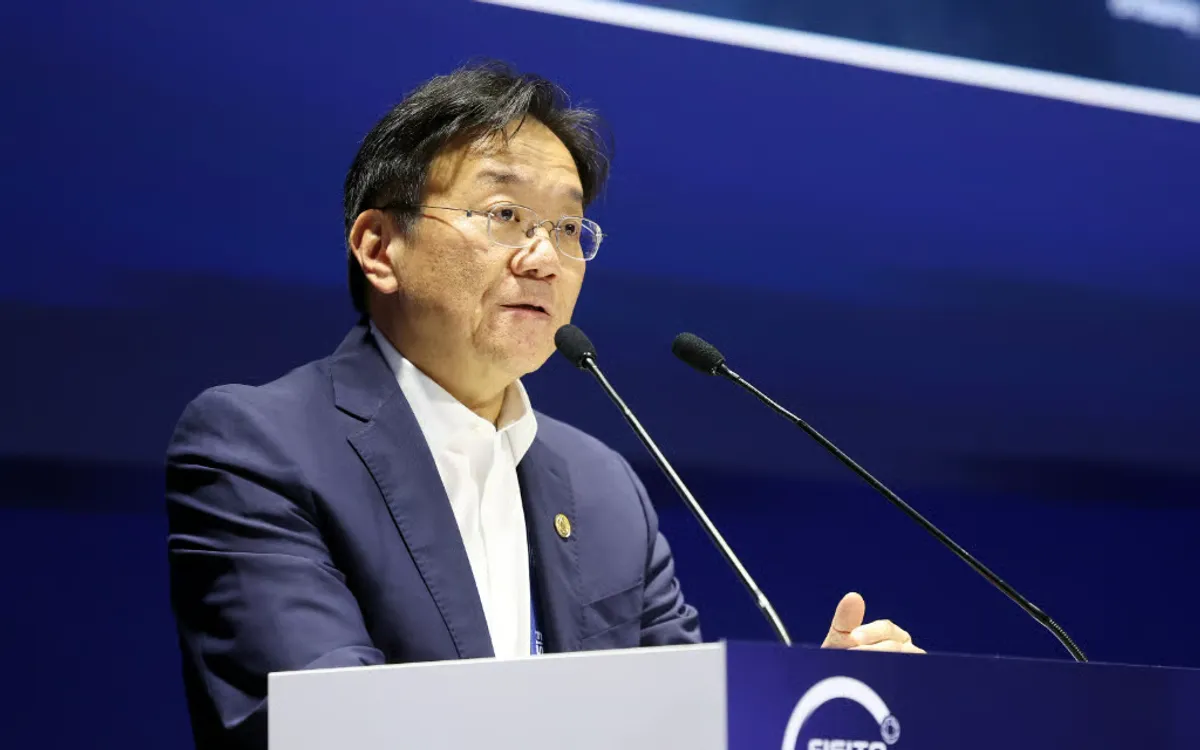
Hyundai Motor Group outlined an electrification programme spanning four types of powertrain at the FISITA World Mobility Summit in Hwaseong, South Korea. In its November 5 account, the group said R&D chief Manfred Harrer had set out plans for battery electric vehicles, hybrids, extended-range electric vehicles and fuel-cell vehicles. He also described how the group wants to bring artificial intelligence into vehicle engineering.
Hyundai's August investor presentation gives one dated example of the range-extender work behind the summit presentation. Hyundai Motor Company expects its first Santa Fe extended-range electric vehicle in the first half of 2027 and plans to build it in Alabama. It aims for more than 600 miles of total range, including driving supported by the onboard generator. The same investor presentation set a target for electrified vehicles to reach 60% of Hyundai Motor Company's sales mix by 2030, from 23% in 2025. The target applies to the company's business and was set before the group summit.
FISITA, which co-hosted the November 4–5 event, said the summit's president's forum included Hyundai, Toyota, Xiaomi and Changan. Executives from MANN+HUMMEL, Denso, Autoliv and Mobis took part in a supplier panel. In its own account, FISITA said discussions on vehicle software brought together hardware, software and data and emphasised the growing demands on suppliers to work with automakers earlier in development.
Hyundai exhibited a Genesis GV90 and a Hyundai Tucson alongside a battery pack, hydrogen tank and robotics platform. The combination put the company's multiple development tracks in one space. Harrer described software and AI as a means for developing vehicles alongside established engineering work. Hyundai gave no timetable at the summit for choosing individual suppliers or putting specific AI tools into production.
For a supplier, the August model plan gives greater purchasing detail than the November development strategy. A battery and a range-extender generator sit in the same vehicle programme, for example, while a fuel-cell platform also needs hydrogen storage and refuelling infrastructure. The different technical paths can require different development and validation work even where the vehicles share software. The summit clarifies which technologies Hyundai is keeping in its plans. The model announcements identify which market and factory a supplier can plan around.
Sources
- Hyundai Motor Group
- FISITA · official summit report
- Hyundai Motor Company · August 2026 CEO Investor Day