
Volkswagen says shared parts saved €600 million on four small EVs
The carmaker says the ID. Polo, ID. Cross, Cupra Raval and Škoda Epiq share more than 80% of components, with production divided between two Spanish plants.
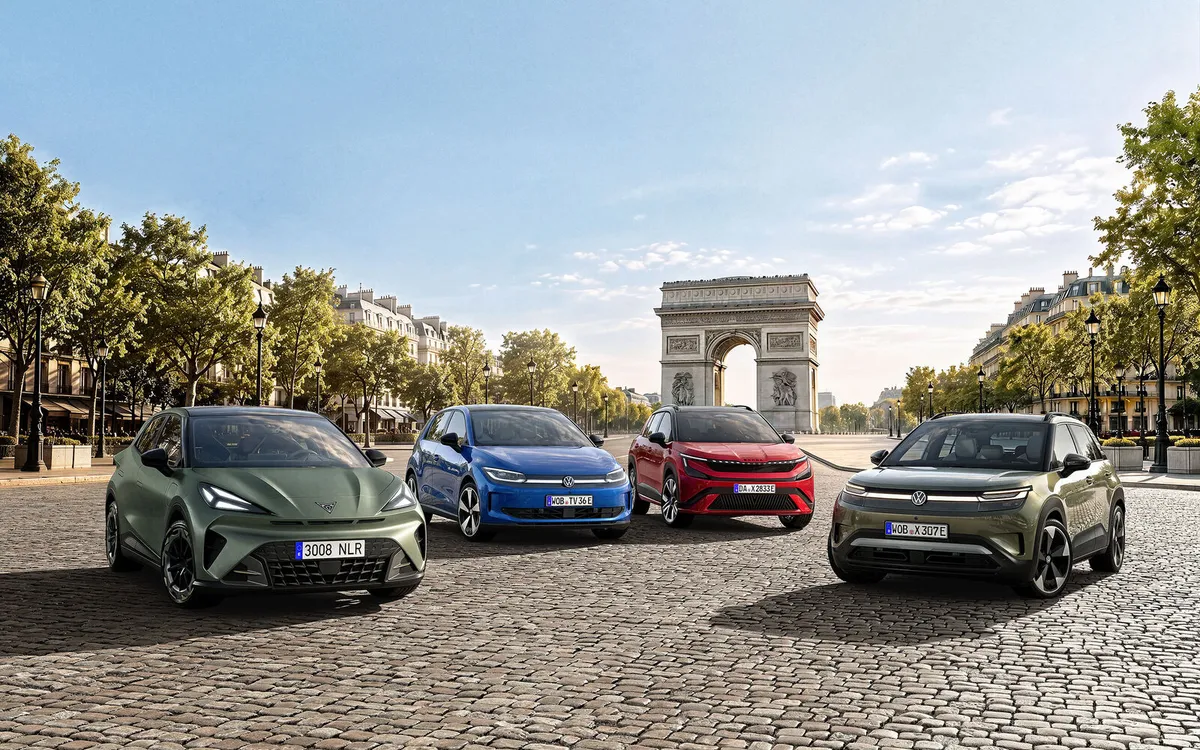
Volkswagen Group says a common set of components helped save about €600 million in developing four small electric cars across three brands. The company disclosed the estimate on 11 October as it prepared to show the Volkswagen ID. Polo and ID. Cross, Cupra Raval and Škoda Epiq together at the Paris Motor Show. It says more than 80% of the components are shared.
The project uses Volkswagen’s MEB+ platform for all four vehicles. Common elements include front-wheel drive, the electric drivetrain and batteries, the company said. The group describes the saving as spanning the design and development process. The release gives no split by car, component family or procurement contract. The estimate therefore describes the group project, while the cost of each model remains undisclosed.
The series uses two plants. Volkswagen said the Raval and ID. Polo hatchbacks are built at Martorell, while production of the Epiq and ID. Cross SUVs is assigned to Pamplona. A June announcement confirmed the Raval and ID. Polo were already coming off the line in Martorell. Manufacturing more than one brand at the same plant gives the group a way to use the shared platform across different finished products. In this case the cars are organised by body type across the two Spanish sites.
Volkswagen highlighted the deliberate separation between shared mechanical elements and those customers see or handle. The Raval has a driver-focused cabin and its own exterior treatment. Škoda’s Epiq uses its own front fascia and lighting design. The ID. Polo and ID. Cross share Volkswagen’s design direction while serving hatchback and SUV buyers. The company presented the approach as a means of producing recognisably different cars with a larger combined purchasing base for common systems.
Volkswagen said the family had attracted almost 150,000 orders by the Paris appearance. That was a combined figure for four cars, without a model-by-model split. Suppliers can use the platform and plant detail to understand where a part might be shared and where the group maintains brand-specific needs. For dealers, the common components are only one part of the offer. The distinctions visible to customers, and the available versions and delivery schedules at each brand, are what separate the cars on a showroom floor.
Sources
- Volkswagen Group
- Volkswagen Group, Paris industrial programme and order update
- Volkswagen, Martorell production announcement