
UK consults on letting 18- and 19-year-old bus and coach drivers run longer and non-regular routes
Britain's Department for Transport opened a consultation on 18- and 19-year-old bus and coach licensing that closes 18 December 2026 and sets out three options, none yet law, to replace the existing 50km regular-service limit across England, Scotland and Wales.
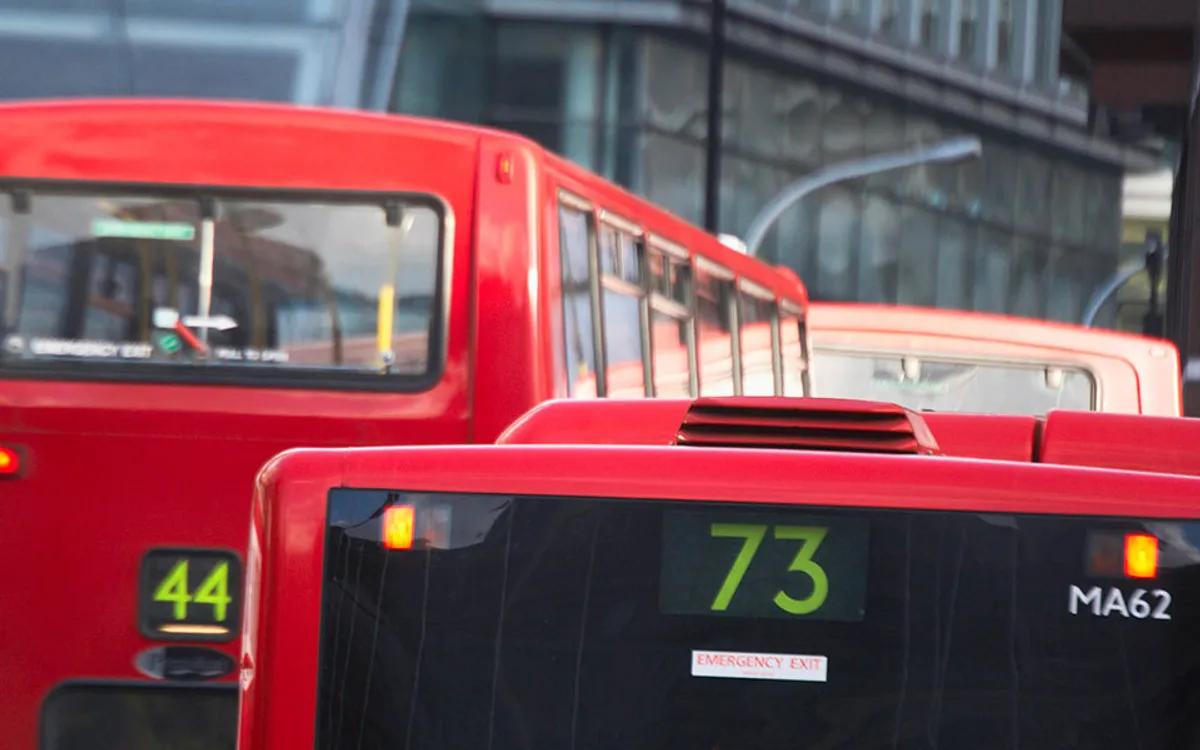
The UK Department for Transport opened a consultation on 18- and 19-year-old bus and coach driver licensing that runs until 11:59pm on 18 December 2026 and applies to England, Scotland and Wales. The department said it seeks views on three approaches and has not set a preferred option. Any change would be a proposal subject to consultation, not current law; driver licensing remains a devolved matter in Northern Ireland.
The restriction in force is narrow. Drivers aged 18 and 19 may carry passengers only on regular services where the route does not exceed 50km in length. A regular service runs a set route and timetable with predetermined stops. The 50km limit dates from Great Britain's implementation of EU Directive 2003/59/EC through the Vehicle Drivers (Certificates of Professional Competence) Regulations 2007, not from a road-safety measure.
Each option would let 18- and 19-year-olds drive non-regular services and regular services over 50km. Option one keeps the general restrictions but permits drivers who complete additional training, such as a level 2 passenger-carrying vehicle NVQ diploma or the passenger transport driver apprenticeship, to take the wider work. The other two options remove the restrictions outright, one requiring operators to use technology to monitor young drivers, the other relying on published guidance for drivers and employers.
The consultation excludes minibuses. It covers category D and D+E licences: buses and coaches with more than eight passenger seats, with or without a trailer. Changes would not alter the driver CPC requirement, including 35 hours of periodic training every five years, nor the group 2 medical examination needed before a provisional licence.
The department's evidence points to a small pool. DVLA records show that on 25 September 2026 only 68 18-year-olds and 456 19-year-olds held a full bus and coach licence, against an estimated 113,900 bus and coach drivers in the UK in the year to March 2026. In a targeted survey of operators run from 28 January to 7 March 2026, 27% of coach operators said they had no work suitable for 18- and 19-year-olds, and a further 14% said only 20% of their work was.
The distinction matters for operators. An operator can use an 18- or 19-year-old on a school service under 50km because it is regular, but cannot use the same driver for a non-regular school trip to a farm under 50km. The 50km cap also blocks private-hire coach trips of any distance, which make up much of the coach sector's business.
The comparison shows this is not an earlier exercise. A 2024 consultation that ran from 11 April to 5 June 2024 proposed removing the 50km restriction for 18- to 20-year-olds on regular services and allowing theory and off-road tests before a provisional bus, coach or HGV entitlement. No response was published, and the new consultation reopens the bus and coach question with different options.
Safety evidence is limited. Government data record one bus or coach driver aged 17 to 20 involved in a reported road casualty in Great Britain in 2025, against 47 aged 50 to 59. The department stated that these figures do not establish whether younger professional drivers carry higher or lower collision risk, which would require data on experience, mileage and hours.
Sources
- UK Department for Transport
- UK Department for Transport
- UK Department for Transport
- UK Department for Transport