
Toyota and Waymo to start testing a driverless bZ4X fleet in Japan in 2027
Toyota and Waymo said on 30 October 2026 that they will begin initial operations in Japan in 2027 to test and validate an autonomous Toyota bZ4X fleet, with deployment to the United Kingdom and other Waymo markets in later years. Toyota will build and outfit the vehicles at its Takaoka plant.
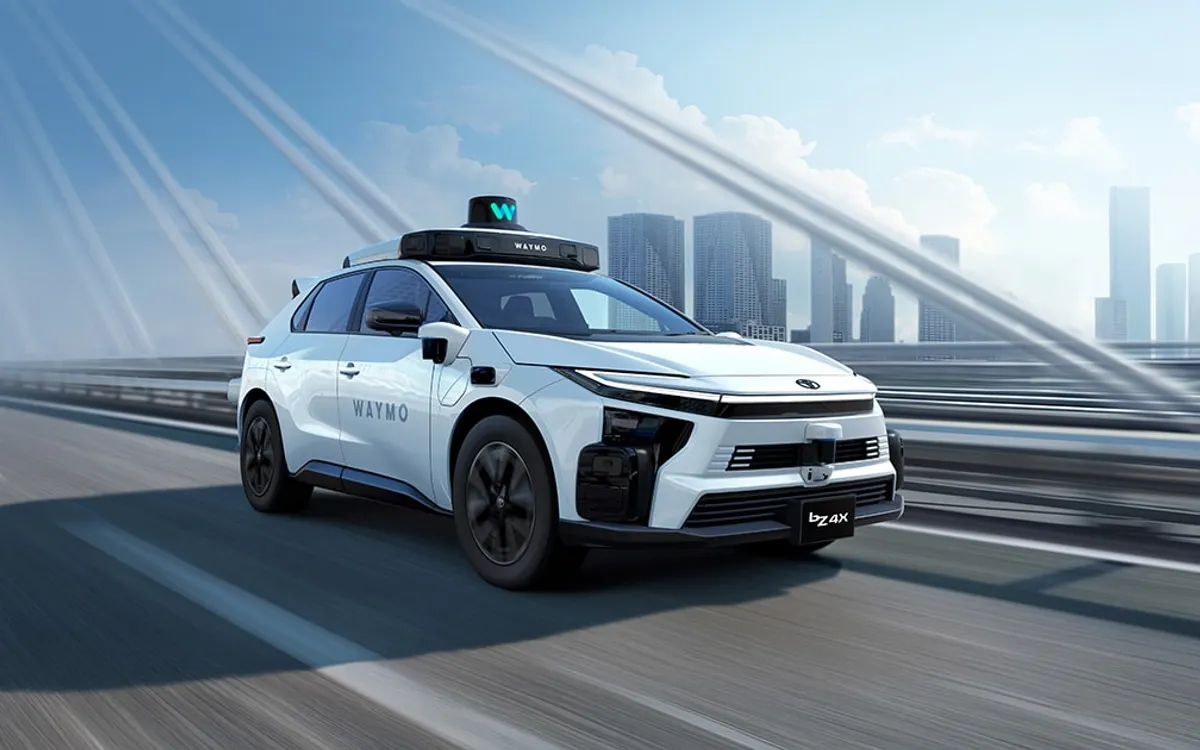
Toyota Motor and Waymo announced on 30 October 2026 the next phase of their autonomous driving collaboration, saying they will begin initial operations in Japan in 2027 to test and validate an autonomous Toyota bZ4X fleet. The companies described the plan as Japan's first fully autonomous ride-hailing service using high-volume, domestically manufactured vehicles. They did not name the cities, the initial fleet size, or a date within 2027 for the start.
The customer-facing service follows a preliminary agreement the two companies announced in April 2025. Under the plan, the bZ4X work stays in Japan: Toyota will assemble the base vehicle and integrate Waymo's autonomous hardware at its Takaoka plant in Toyota City, Aichi Prefecture, with the entire process under one roof. Waymo Driver is the fully autonomous system being fitted. The companies did not state how many vehicles the 2027 operation will use.
Japan comes first, but not alone. Toyota and Waymo said deployment to the United Kingdom and other Waymo-serviced markets is planned for the years after the Japanese operation begins. That sequencing starts with a market where Waymo has no existing ride-hailing service and where the vehicle is domestically built, then moves to markets where Waymo's technology is already present. Both companies called the arrangement a step toward scaling safety-validated Level 4 autonomous vehicles globally.
The customised bZ4X is specified for comfort and accessibility rather than for personal ownership. Toyota lists generous rear legroom, automatic doors, a power liftgate and ambient lighting to ease entry and exit for riders. Toyota and Waymo said they will keep exploring autonomous driving technology for personally owned Toyota vehicles, and will work with Woven by Toyota on initiatives aimed at reducing road safety incidents, including how Waymo's operational data and technology could improve safety for other road users.
On safety claims, Waymo co-CEO Dmitri Dolgov said in the announcement that in areas where Waymo operates it has demonstrated being up to 20 times safer than human drivers for serious crash injuries. That figure is Waymo's own claim and was given without a methodology, a time period or a comparison baseline in the announcement. Toyota executive vice president Hiroki Nakajima said safety technology makes the biggest difference when it reaches as many people as possible.
For suppliers and the plants involved, the plan ties autonomous vehicle assembly and sensor integration to an existing Toyota passenger-car line and to a vehicle already in series production. For competitors and regulators, the significance is a Level 4 ride-hailing service arriving in Japan with a domestic high-volume model, rather than a limited prototype. Regulators in Japan will have to clear fully driverless operation on public roads before the 2027 operations can carry paying riders.
What remains unverified is the scope of the 2027 operation: the companies disclosed no fleet volume, no operating city, no pricing, and no confirmation of whether the first phase will carry passengers or run without them. The investment amount and the number of jobs at Takaoka were also not disclosed.