
WeRide brings Allianz and Ping An into its driverless fleet insurance programme
On 27 October 2026, WeRide launched a global insurance partnership programme for its driverless fleets, naming Allianz Insurance Singapore and Ping An P&C Insurance as first partners to co-develop motor, general, product liability, privacy and cyber cover tied to local rules.
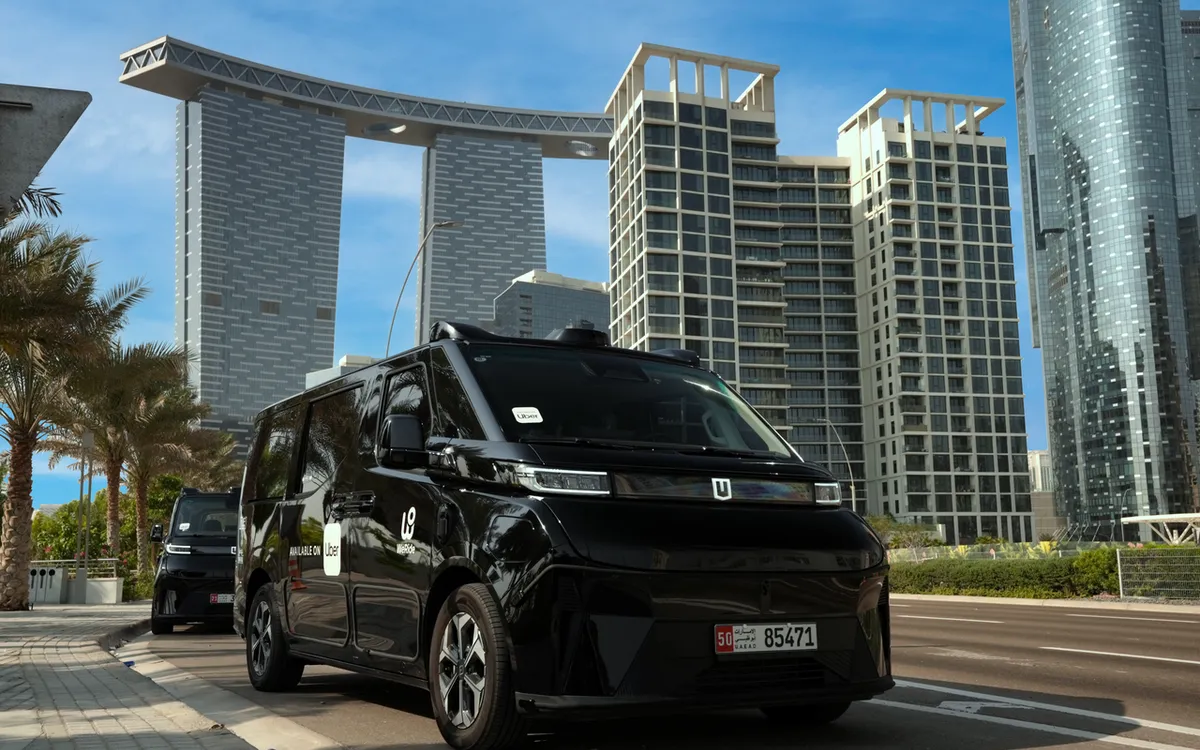
WeRide announced a global insurance partnership programme on 27 October 2026 in Guangzhou, naming Allianz Insurance Singapore and Ping An Property & Casualty Insurance Company of China as inaugural partners. The programme spans existing deployments in China, Southeast Asia and the Middle East and planned launches in broader Europe. The partners will co-develop coverage for L4 operations, including motor liability, commercial general and product liability, and privacy and cybersecurity risks, in accordance with local requirements.
The partners will develop coverage under local rules, WeRide said. The scope can include operating, product and data risks under the same partnership framework. WeRide said Ping An-backed coverage already supports Robotaxis in Beijing, Guangzhou, Abu Dhabi and Dubai, including services run through WeRide Go and third-party platforms such as Uber and TXAI. Allianz, which the company described as Singapore's third-largest motor insurer by gross written premiums at Q2 2026, covers WeRide operations in Singapore, including the Sentosa Robobus and Grab-linked Robotaxis in Punggol.
Scale on the Singapore side is measurable. WeRide said the Ai.R autonomous shuttle service with Grab in Punggol had served more than 13,000 unique riders and accumulated over 135,000 kilometres of autonomous mileage as of October 2026. That figure covers shuttle operations, not the wider WeRide fleet, and is the clearest operating baseline the announcement supplies for insurance-underwriting discussions in the city-state.
WeRide's rationale links long-term partnerships and centralised insurance programmes to improved insurance efficiency and stronger unit economics as fleet scale grows. That is a company expectation about future pricing and coverage, not a reported outcome. The programme does not alter existing local policies by itself; it sets out a structure under which coverage for new markets and vehicle lines is negotiated with the two insurers.
The company reported approximately 3,600 autonomous vehicles globally, including more than 1,800 Robotaxis, across 13 countries and over 60 cities. WeRide plans to extend the programme to more markets and insurers and to explore insurance protocols, pricing and coverage models specific to autonomous vehicles, without giving a timetable for those additions.
WeRide identified Ping An P&C and Allianz Singapore as its first partners. The current deployments show where the providers already have a role. The next commercial questions are how liability is allocated across technology suppliers, vehicle operators and mobility platforms, and which underwriters take those risks in new markets. WeRide did not publish policy limits, pricing or carrier arrangements for additional countries.