
Peru’s auto association proposes a fund for 1,500 electric buses
The AAP presented a proposal to phase electric buses into six cities. It said the plan still needs technical studies, financial studies and the relevant approvals.
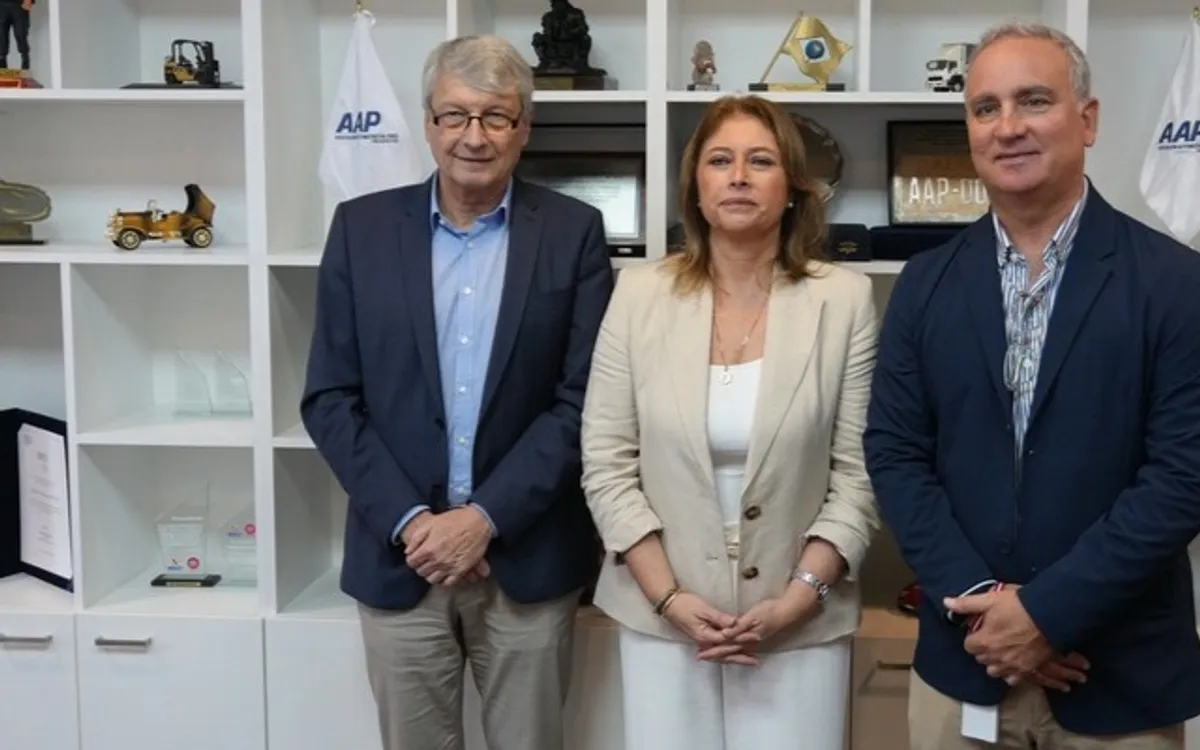
Peru’s automotive association has proposed a national fund to finance the introduction of 1,500 electric buses in six cities. The Asociación Automotriz del Perú said on November 5 that it presented the plan in a working meeting with legislator Roxana Rocha Gallegos. Its proposal would cover Lima, Callao, Arequipa, Trujillo, Chiclayo and Huancayo in an initial phase. The association says implementation depends on technical and financial studies and the relevant authorisations.
The plan pairs financing with fleet management. That makes it a proposal about who pays for vehicles and how they are administered, with the national fund intended to help cities introduce them over time. The November note gives a combined figure for the six cities. It does not say how many would run in each city, who would contribute capital to the fund or when the first order would be placed. Bus and charging suppliers therefore have a location list and an indicative volume, but no tender quantities or delivery schedule from this announcement.
Two of the proposed cities already share a transport authority. In April, the Urban Transport Authority for Lima and Callao, or ATU, proposed gathering its bus specifications into a single standard for public transport under concession, including the Metropolitano and complementary corridors. The draft encompasses diesel, natural gas, electric and hybrid buses. That consultation addresses vehicle specifications. It provides a local comparison for the separate question raised by the November proposal, which is how an eventual fleet transition would be financed and administered.
The association discussed the proposed fund within its transport roadmap to 2036. The roadmap groups the work under four headings: modernising public transport, improving road infrastructure and management, renewing the vehicle fleet and strengthening road safety. The AAP estimates that congestion costs Lima 30 billion soles a year. That is the association's estimate for Lima, rather than the price of its six-city bus proposal or an estimate of what the scheme would save.
Procurement would require more detail about the financing terms, vehicle allocations and operators. The announcement presents a meeting with a legislator and an industry proposal, leaving those decisions open. The next pieces cities and suppliers can use are the technical and financing studies named by the association. They would help show where the first buses might be allocated and how the authorities would make the proposed fund work alongside existing public transport contracts.