
Nissan licenses pineapple-leaf composite process after building an exterior panel
Nissan and Okinawa-based Food Reborn demonstrated a hood using woven pineapple-leaf fibre. The licence covers intermediate materials used to mould exterior parts.
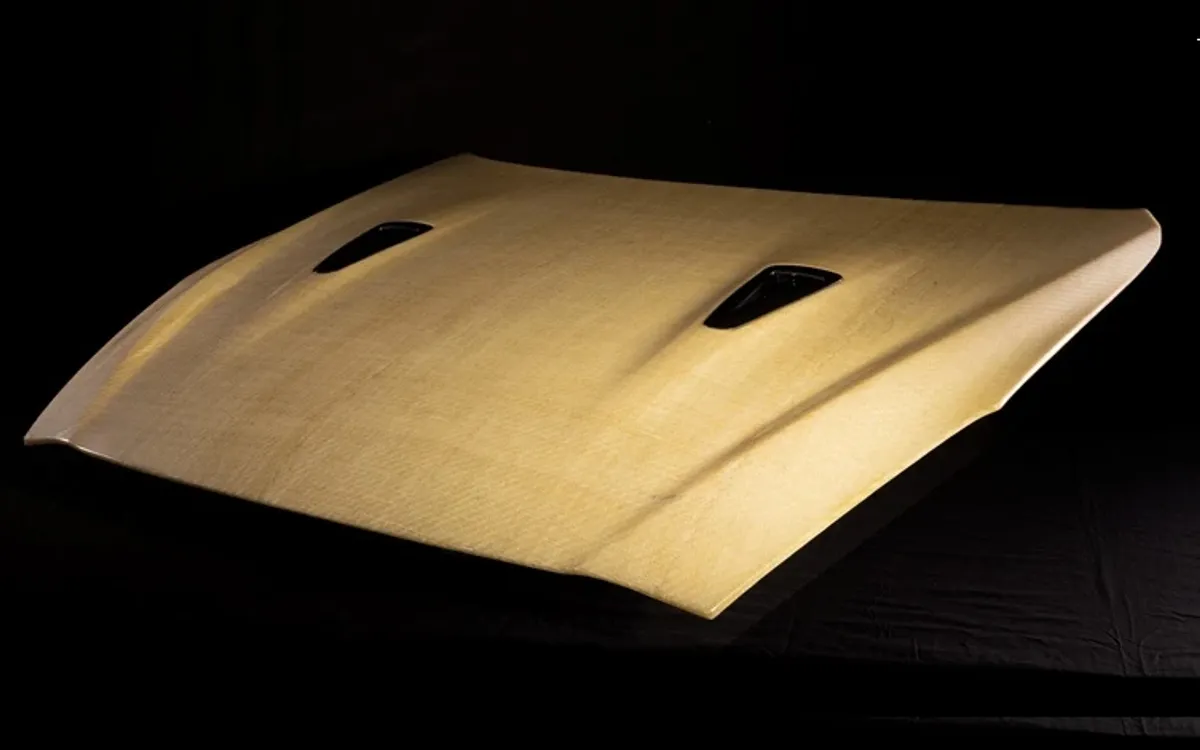
Nissan and Food Reborn said on November 17, 2026, that they had developed an automotive exterior panel reinforced with fibres from pineapple leaves. Nissan showed a hood made with the composite and said it had licensed manufacturing know-how to the Okinawa-based materials company. The announcement covers a developed panel and the materials process. It specifies no production car, launch date or order for panels.
The developers extracted fibre from discarded pineapple leaves, made it into flat yarn and wove the yarn into fabric used to reinforce a plastic composite. Nissan's licence covers those first two materials and prepreg, a fibre product already impregnated with resin so it can be formed into a part. The licence gives Food Reborn a role in producing intermediate materials, which a panel maker would use in its own moulding process.
Nissan says the new composite had higher tensile strength than conventional flax-based natural-fibre materials in its internal test. It gave no numerical result, named test standard or test conditions. Tensile strength answers a particular engineering question about loading. The announcement gives no comparative evidence on the completed panel's impact performance, durability or cost. It does not quantify savings in weight or emissions for a finished vehicle.
Nissan linked the work to its search for lighter composites and to demand in motor racing. It said some categories using production-based cars require sustainable natural-fibre composites when teams modify exterior bodywork, and that a small specialist supply base complicates access to material. The company also cited an estimate of more than 50 million tonnes of unused pineapple leaves a year based on 2024 global pineapple production data from the United Nations Food and Agriculture Organization. That estimate describes potential feedstock, with no claim that this amount is practical to collect or process.
The partners scheduled the panel for display at the SAMPE Japan advanced materials exhibition in Tokyo on November 18–20. For a composite supplier, the development creates another route to source woven natural fibre reinforcement at the fabric or prepreg stage. For a vehicle programme assessing it, the next commercial questions concern consistent specification, cost and manufacturing volume. Nissan announced the licence and the panel without publishing a supply contract or saying when moulders can order material.