
Mazda completes Hiroshima Port hub for overseas assembly parts
The Dejima facility replaces Mazda's Kaita district hub and is scheduled to start operations in January 2027, with automated handling and access to an expanded container terminal.
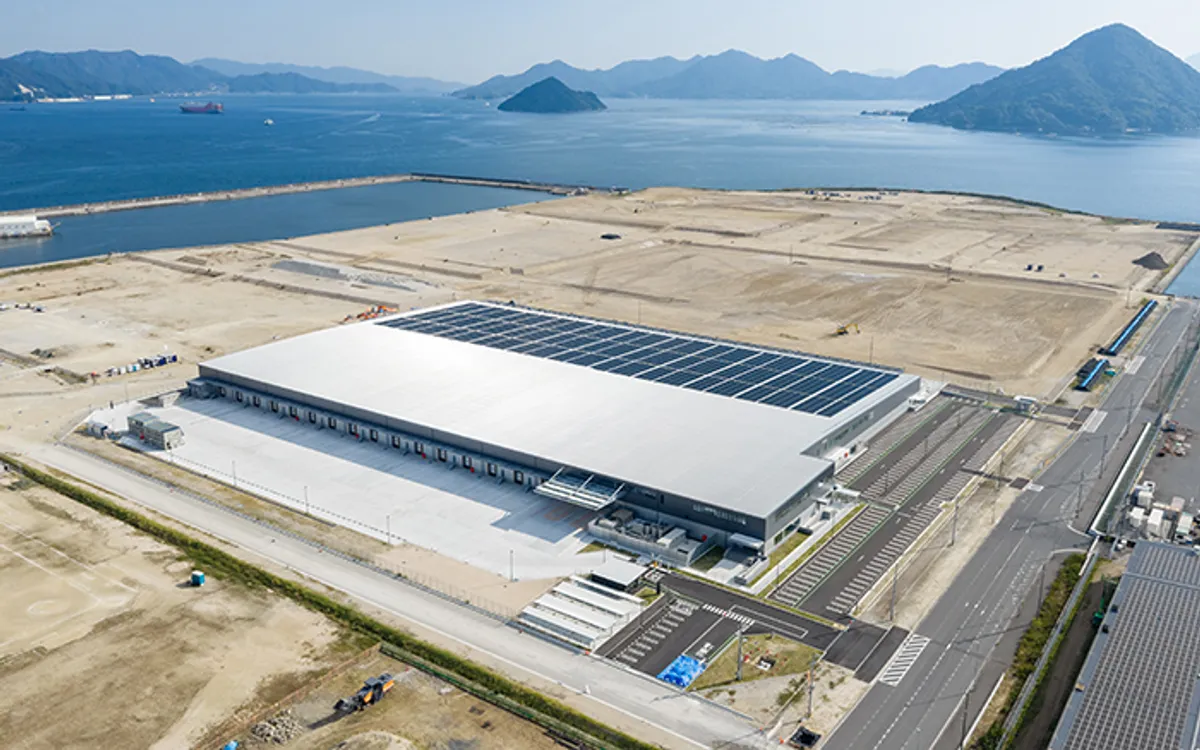
Mazda completed a new logistics centre in Hiroshima Port's Dejima district on November 6, 2026, to supply assembly parts to its overseas factories. The centre replaces a facility in the port's Kaita district. Mazda plans to start operations in January 2027, leaving a gap between construction completion and the planned start of shipments from the new site.
The move shifts Mazda's Hiroshima parts handling closer to an international container terminal that Japan's national government and Hiroshima Prefecture have been developing in Dejima. Mazda said the port upgrades allow larger vessels to call. The new centre will take in knockdown parts, store them, pack them and load them into ocean freight containers. These are components for vehicle assembly outside Japan, so the handover changes where suppliers deliver parts before they go into the export leg of Mazda's production network.
Mazda reported a site of about 55,000 square metres and a building area of about 35,000 square metres. Construction started in April 2025. Mazda Logistics will operate the site. Mazda expects the terminal and hub combination to make parts supply more efficient and reliable, without giving a throughput comparison with the Kaita centre or a target for transit times to individual factories.
The handling process also changes inside the building. Mazda says it has automated storage and retrieval, as well as packing parts onto pallets. It has separated pedestrian routes from vehicle routes and installed zoned air conditioning. A rooftop solar installation rated at 2.2 megawatts will supply part of the electricity used on site. Mazda describes the rating as generating capacity and gives no figure for the share of consumption the panels will cover.
For suppliers sending parts by truck, Mazda has simplified the procedure for entering the site. Dedicated forklift operators will unload inbound lorries, and drivers will have access to a lounge while work is under way. Mazda says the arrangement is intended to shorten handling and reduce the work drivers do at the unload point. For the overseas assembly plants, the common point of change is the export hub rather than the assembly process at their own factories. The January start is the next milestone for both groups.