
Zero-emission vans reach 12% of new EU van registrations
Transport & Mobility Leuven’s third-quarter review puts zero-emission cars at 23% of new registrations, highlighting a gap between the car and van markets.
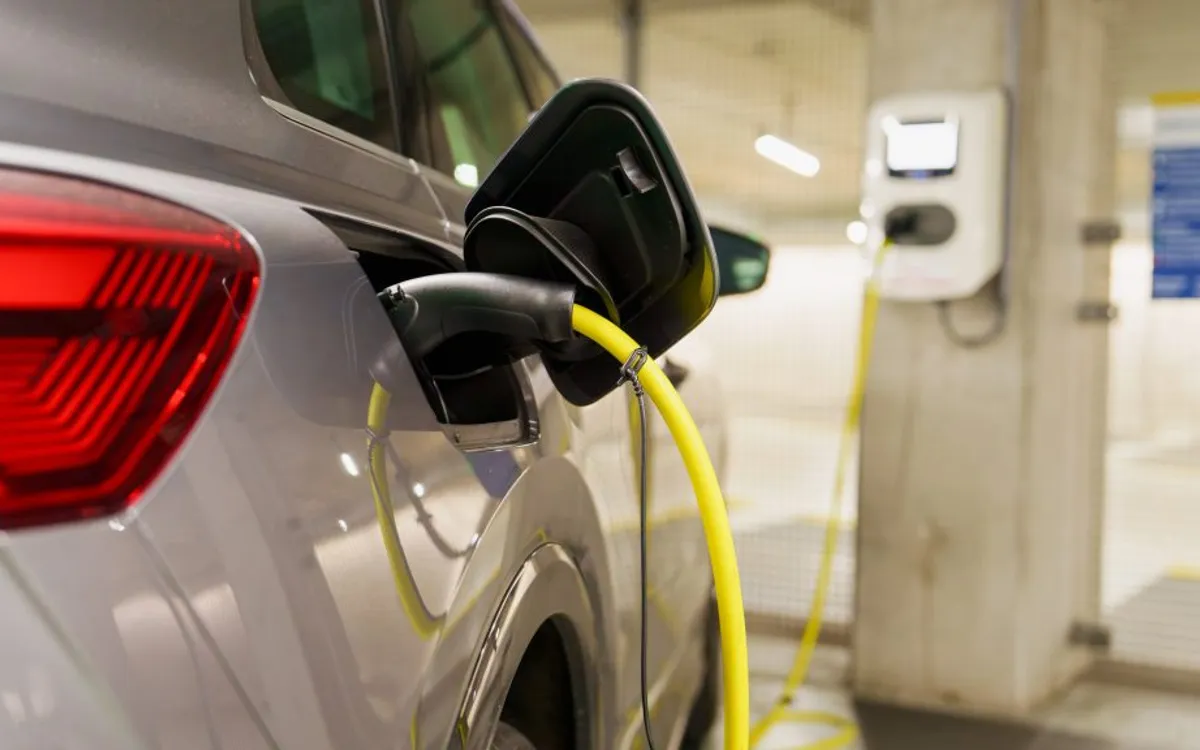
Zero-emission vans accounted for 12% of new EU van registrations in the first nine months of 2026, up from 8% a year earlier, according to a third-quarter review by Transport & Mobility Leuven. The industry association ACEA published the findings on 12 November. The equivalent share for passenger cars rose from 16% to 23%, leaving an eleven-point gap between the two segments even as both moved toward electric power.
The van mix shifted in a market with 1,073,427 registrations through September and essentially flat volume year on year. ACEA’s separate registration series shows 838,830 diesel vans, putting diesel at 78.1% of the EU market after an annual volume drop of 4.3%. It also records a 14.1% share for electrically chargeable vans, against 10.2% a year earlier. That category includes plug-in hybrids alongside battery-electric vehicles. The 12% figure from the Leuven review uses the zero-emission definition.
Demand varies within the EU. The Leuven findings put electric vehicle registration shares above 50% in some member states and below 10% in others. Even sales of conventional and electric vans taken together were mixed in the largest markets. ACEA’s registrations show Spain’s total rising 6.9% in the first nine months, with registrations falling 4.1% in Germany, 5.1% in Italy and 5.6% in France. Those differences matter to fleet suppliers trying to plan orders across several markets on the basis of an EU average.
Public charging power reached 42.9 GW across the EU in September, up 24% from a year earlier, the review found. The number of public charge points stood at around 1.2 million, about a third of the European Commission’s stated 2030 target of 3.5 million. Total power and the number of plugs answer different questions for fleet buyers. A delivery operator that needs to recharge between routes still needs sites on its rounds, with enough available power for its shift schedule.
The review also pointed to industrial electricity prices for European manufacturers around 75% above those in China and 110% above those in the United States. The Leuven work was commissioned by ACEA to track grid readiness, vehicle adoption, charging deployment and manufacturing conditions. The association argues for targeted incentives and changes to regulation to support zero-emission vans. Its registration figures show why it separates that segment from cars when assessing the pace of adoption.
Sources
- European Automobile Manufacturers’ Association
- Transport & Mobility Leuven, project and report index
- ACEA, Q1–Q3 2026 commercial vehicle registrations