
Toyota Tsusho plans another USD 45 million for Bangladesh
The company plans more sales and service locations outside Dhaka. Local assembly remains under consideration.
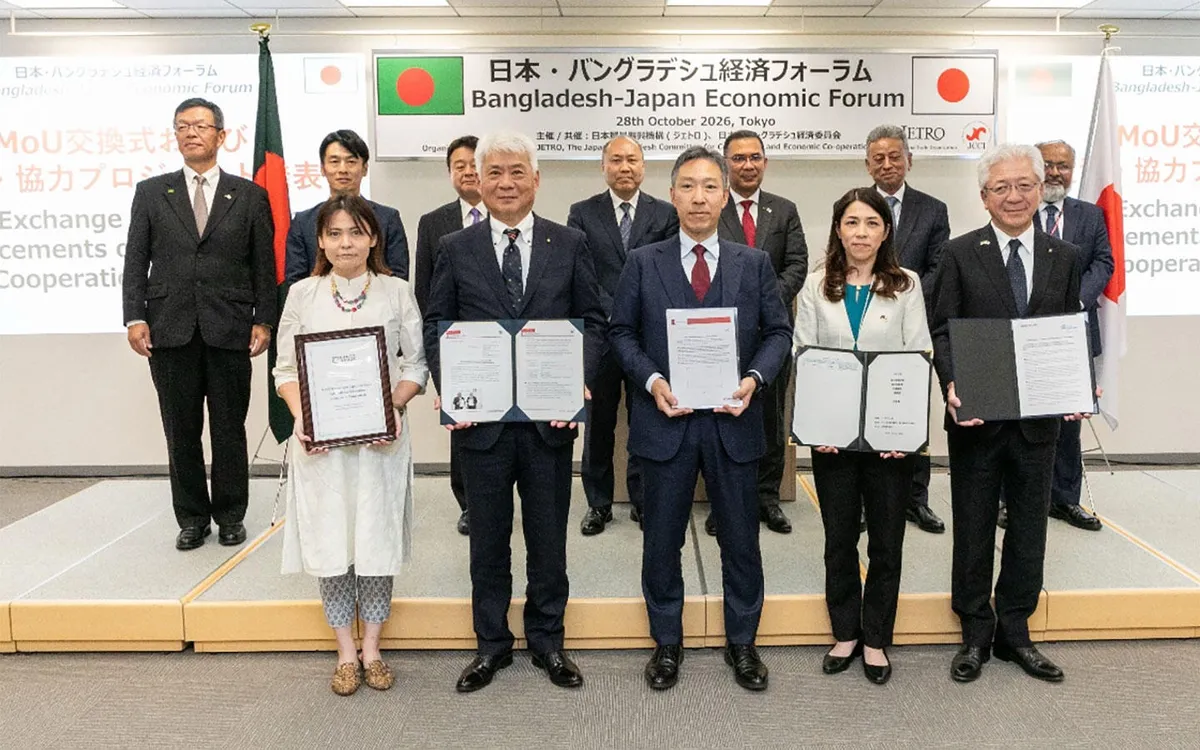
Toyota Tsusho told Bangladesh's prime minister on October 28 that it plans to invest an additional USD 45 million in the country's vehicle sales and service business by the end of 2026. The company disclosed the plan on November 2 after the Tokyo roundtable with Prime Minister Tarique Rahman. It said the new commitment would take its total mobility-related investment in Bangladesh above USD 50 million.
The investment would extend the network from a base in Dhaka to other major regions. Toyota Tsusho established Toyota Bangladesh as a wholly foreign-owned local company in August 2025 and opened a directly operated showroom in Tejgaon that December. Its Bangladesh business covers sales and after-sales support. The trading company said it had invested more than USD 5 million in the initial business. It now plans to expand the regional network and improve the supply of genuine parts.
The earlier distribution changes provide some context for the expansion. In July 2025, Toyota Tsusho had already told owners that authorised workshops could continue providing services in Dhaka and Chattogram during a change in the way it operated. The latest plan refers to a wider sales and service footprint. It gave no list of new sites, timetable for individual branches or investment split among service, vehicle sales and parts distribution.
Toyota Tsusho said it would also consider local knockdown assembly. In that model, a company ships vehicles as parts and assembles them near the final market. The company described it as a future possibility and did not identify a vehicle, assembly site, capacity or production date. The distinction is important for potential suppliers because distribution and paid servicing can expand before any decision to buy and assemble vehicle parts locally.
Toyota Tsusho opened a liaison office in Dhaka in 1952. It says the new plans include local hiring, worker development and transfer of technical capabilities. For owners outside Dhaka, the practical change will come if the company opens a branch with parts and support closer to them. For Bangladesh's automotive suppliers, a separate licensing or production agreement would provide the information needed to plan investment around local assembly. The Tokyo announcement sets the network spending commitment and leaves those production decisions open.