
Stellantis begins exporting Brazil-built Jeep Avenger SUVs to Argentina
Argentina became the first overseas destination for the Porto Real-built Avenger. Stellantis plans to ship more than 3,000 units across South America by the end of 2026.
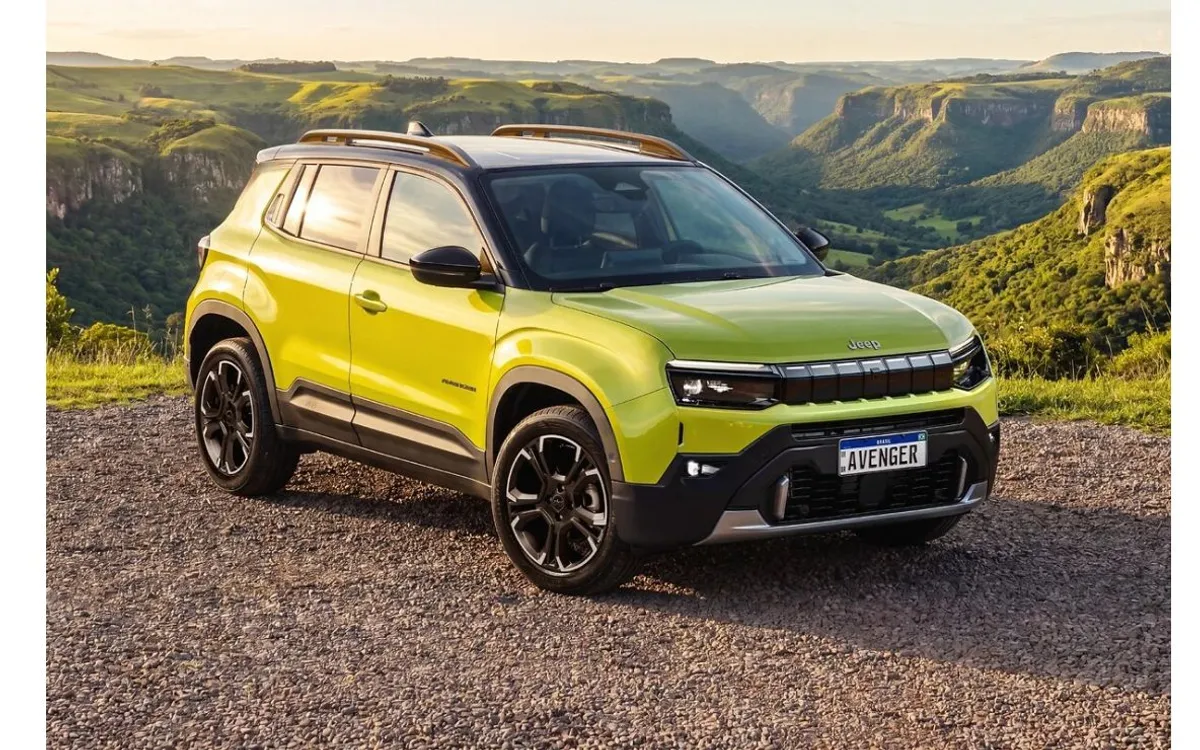
Stellantis said on November 3 that it had begun exporting Jeep Avenger SUVs from its plant in Porto Real, in Brazil’s Rio de Janeiro state. Argentina was the first international market to receive vehicles from the plant. The company plans to ship more than 3,000 units to South American countries by the end of 2026, extending the distribution of the Brazil-built model beyond its domestic launch.
The model went on sale in Brazil in August. Stellantis describes the South American Avenger as using a 12-volt mild-hybrid system with a turbocharged T200 engine and a continuously variable automatic transmission. It describes the same arrangement across all versions in its regional model update. The 3,000 figure concerns vehicles being shipped from Brazil. It is a plan for exports through the end of the year and gives no split of orders, registrations or deliveries to individual customers.
The export update follows the July start of series production in Porto Real. Stellantis described the vehicle then as the first model to come off that factory’s lines with its 12-volt Bio-Hybrid technology. It announced a second production shift and said the change would support 800 new jobs at the factory and 450 in its supplier park. It also announced eight new suppliers, bringing its total of regional supplier partners to 13. Those were plant and supplier plans announced as production began.
Porto Real is the first Stellantis factory in Brazil to build this Avenger, and the company says it is the first Jeep model assembled at the site. Stellantis put the vehicle within a wider R$3 billion investment programme at Porto Real through 2030. The November shipment is a nearer-term measure of the site’s role. It shows the factory supplying Argentina alongside Brazil, following the increase in planned shifts and sourcing requirements disclosed in July.
For dealers, the first cross-border shipment establishes a route to market while leaving the pace of local availability open. For suppliers, the end-of-year export target adds a regional volume measure to the earlier plant announcement, separate from the factory’s full output. Stellantis did not give the number of vehicles in the first shipment or a delivery schedule for each destination. Those details will matter for distinguishing planned exports from actual sales in the markets taking the model.