
SMMT seeks £130m supplier fund as UK auto insolvencies outpace wider business
The Society of Motor Manufacturers and Traders wants a £130 million package for UK component makers after reporting that insolvencies in vehicle and parts manufacturing rose about 180% between 2016 and 2025, against roughly 63% across all UK businesses. The trade body also identifies £6.4 billion of annual 2030 manufacturer spending on priority components that UK suppliers could contest.
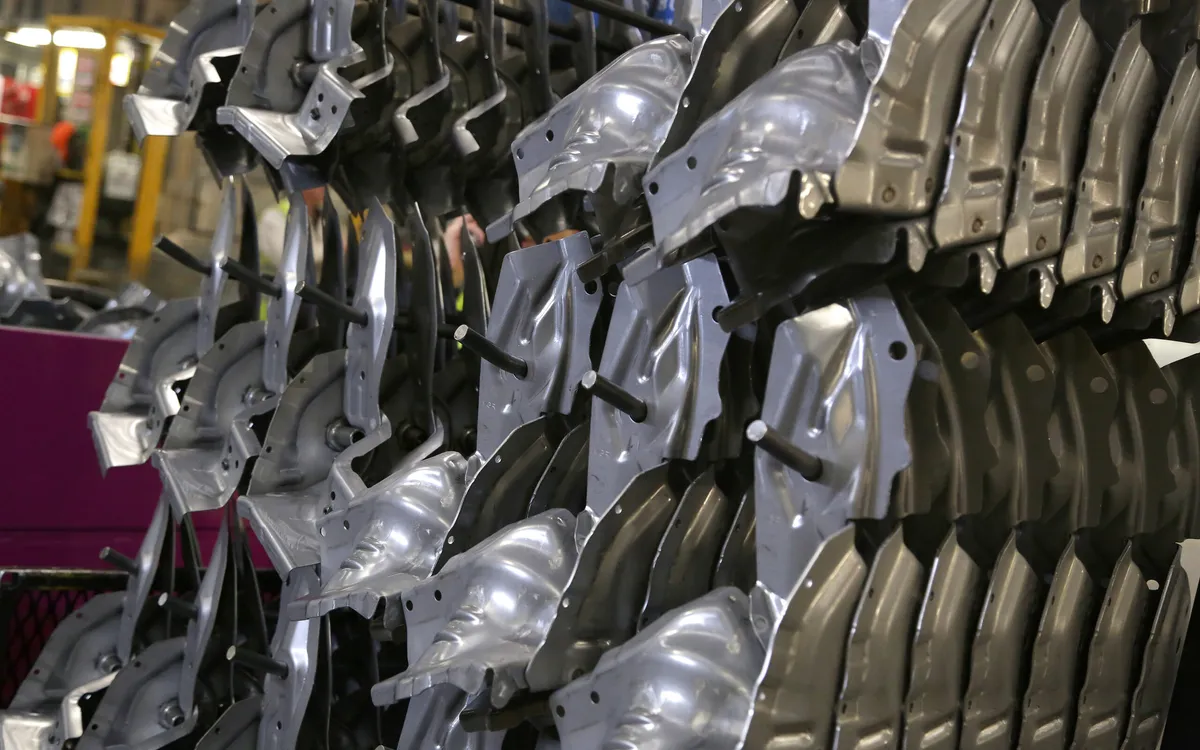
The Society of Motor Manufacturers and Traders on 12 November asked for a £130 million support package for UK automotive suppliers, citing a report that insolvencies among vehicle and component manufacturers rose by approximately 180% between 2016 and 2025, against around 63% across all UK businesses. The body said high costs, lower production volumes and programme uncertainty are weakening firms that make seats, cockpit modules, plastic trim, pressings and castings for all powertrains.
The proposed Automotive Productivity Accelerator comprises £100 million in capital grants for productivity, automation, robotics, AI and digitalisation, plus £25 million for skills. SMMT said a further £5 million match-funded Auto to Aerospace and Defence Readiness Programme would support diversification. The £125 million of grants and skills money, together with the £5 million match-funded scheme, brings the headline request to about £130 million; the £5 million is matching support rather than direct grant funding, a distinction SMMT did not spell out.
The report, built from aggregated, anonymised sourcing submissions by manufacturers and consultations with 26 suppliers representing £1.2 billion in turnover and 8,500 employees, identifies £6.4 billion in expected annual vehicle manufacturer spending in 2030 on components deemed critical or important for UK supply. SMMT said this includes existing UK sourcing and is not wholly new business, and that future awards depend on vehicle programmes, market conditions and commercial competitiveness. Much of the opportunity lies in replacing imports.
Manufacturer data came through SMMT's Chief Procurement Officer Forum, which the body says represents 99% of UK-based passenger car manufacturing. Participation was voluntary, so findings reflect the businesses involved rather than the whole supply base. The insolvency comparison uses 2016-2025 and covers vehicle and component manufacturers classified under SIC 29. SMMT reported that some suppliers said parts of their businesses were running at around half capacity, raising unit costs.
The report says pressure is not confined to electrification. Suppliers of essential parts used across petrol, diesel and battery-electric vehicles are affected, and because many deliver just in time and in assembly-line order, losing them would disrupt current UK output. SMMT counts more than 2,500 automotive supply chain businesses and 188,000 jobs across the industrial base, the population the proposed grants and tooling finance would target.
Alongside the funding call, SMMT asked for DRIVE35 support to be extended to components used in all powertrains, such as plastic mouldings and steel pressings. It also wants dedicated tooling finance to ease upfront costs for new vehicle programmes, action on energy, employment and business rates costs, a workable ZEV Mandate, full UK participation in the EU's Made in Europe policy, and changes to UK-EU rules of origin to protect tariff-free trade.
The group said it would work with manufacturers and suppliers, the Advanced Propulsion Centre and the Automotive Council to support viable import-replacement opportunities. Whether the £130 million is granted, and whether reshoring awards follow, remain open. For suppliers, the practical test is whether capital grants and tooling finance arrive before next programme awards, since SMMT frames the £6.4 billion as contestable rather than committed.