
Scania recovers cutting fluid from crankshaft grinding waste
A press turns the remaining metal particles into briquettes. Scania expects the change to cut the crankshaft operation’s waste-handling load from about 360 tonnes a year to 120.
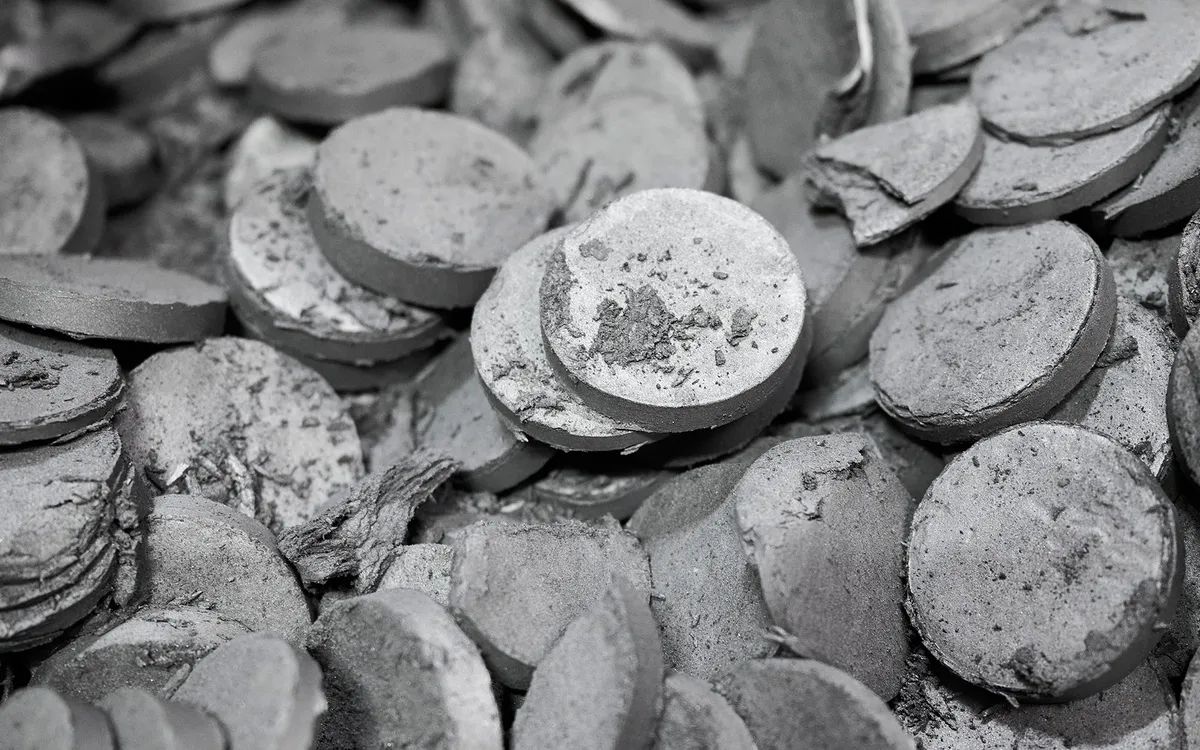
Scania has installed a press in its crankshaft manufacturing operation to recover cutting fluid from the slurry left by grinding. The truck and engine maker said on 5 November that it expects the change to remove about 240 tonnes a year from the volume of waste requiring handling. The press cost about SEK 1.9 million and Scania projects annual savings of SEK 1.3 million.
Before the installation, the operation handled the whole mixture of fine metal particles and fluid as waste. About four fifths of that residue was liquid, according to Scania. The new machine squeezes out cutting fluid so it can go back into manufacturing, then compacts the remaining material. Scania says the resulting briquettes contain about 80% to 85% metal particles. It also expects the fluid recovery to reduce purchases of new cutting fluid and lower the need for chemicals and water.
The company estimates that the volume requiring waste handling will fall from roughly 360 tonnes to 120 tonnes annually, or by about two thirds. The figures describe the mass sent for handling. The effect comes from reusing the liquid and changing how the remaining material leaves the process. Scania’s account gives no downstream buyer or recycling rate for the briquettes. It also gives no operating period over which the projected annual figures have been verified.
The equipment cost is about one and a half times the company’s expected annual savings. That simple ratio puts the payback near 18 months if savings meet the forecast and the rest of the project’s costs are covered in that estimate. Scania’s disclosures give two figures that other machining operations can compare against their own conditions: the initial share of liquid in the waste stream and the annual mass sent for handling. The price of treatment and the suitability of recovered fluid for reuse would also affect the economics of installing a similar machine elsewhere.
Scania put the crankshaft change among 144 improvement initiatives under way in engine manufacturing and projected annual savings of SEK 109 million for that wider set. Other examples include reviewing filter replacement intervals and correcting packaging weights. The SEK 1.3 million annual estimate applies specifically to crankshaft grinding. It gives the manufacturing team a baseline to track against the waste tonnage and fluid consumption recorded after installation.