
LG and indiGOtech explore battery supply for two US electric vans
The non-binding agreement covers proposed supply of cylindrical cells for the Flow Ride and Flow Cargo between 2027 and 2030.
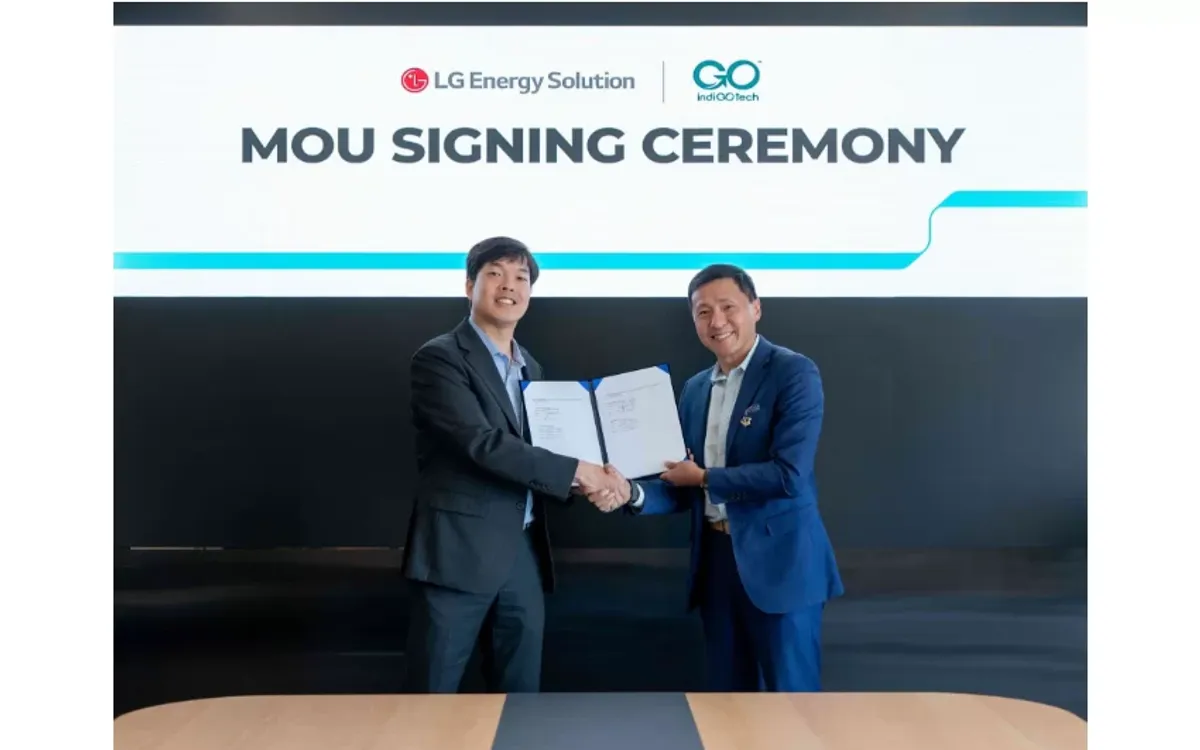
LG Energy Solution announced on October 1 that it had signed a non-binding memorandum with US commercial EV developer indiGOtech to explore supplying battery cells for its next electric vans. The companies are discussing 46-series cylindrical cells with a nickel, cobalt and manganese cathode for the Flow Ride and Flow Cargo from 2027 through 2030. The proposed window is subject to a final agreement.
LG says the work under discussion includes putting the battery and vehicle systems together and checking how they perform. The partners intend to explore driving range and charging time. They disclosed no order quantity, supply plant, investment amount or final pack specifications. Those details would establish how much work LG may receive and which vehicle configuration might use the cells.
IndiGOtech, based in Woburn, Massachusetts, markets the Flow Ride to ride-hailing operators and the Flow Cargo to delivery fleets. The company targets the second half of 2027 for initial Flow production. Its pre-order material describes the passenger vehicle as having a central driving position, a low floor and a kneeling entry system. The cargo model has a published payload of 2,070 pounds and up to 225 cubic feet of cargo space. IndiGOtech qualifies the figures and imagery as preliminary and says production versions may differ.
There is a battery distinction in the two disclosures. IndiGOtech's vehicle material currently lists lithium iron phosphate battery packs rated at 80 to 100 kWh for the two models. LG's memorandum concerns cylindrical nickel-cobalt-manganese cells. The companies have given no timetable for choosing a production chemistry or split by vehicle version. For a fleet planning chargers and routes, the confirmed usable energy, charging curve and real loaded range of the production model will matter more than a proposed cell supply.
For LG, the project would add urban delivery and ride-hailing vehicles to the applications it is pursuing for its cylindrical cells. LG reported that first-half cylindrical battery shipments, including its 46-series cells, were about 1.5 times their level a year earlier. The indiGOtech agreement sets an intended integration programme against that wider supply effort. Its next commercial milestone would be a binding order with confirmed vehicle specifications and a supply schedule aligned with the van maker's production plan.
Sources
- LG Energy Solution
- indiGOtech · GO Flow vehicle specifications and pre-order terms
- LG Energy Solution · second quarter and first-half 2026 business results