
Fiat production starts on Stellantis’s Smart Car platform in Morocco
Kénitra’s July milestone advances the Moroccan factory expansion, while Stellantis targets 75% local integration by 2030.
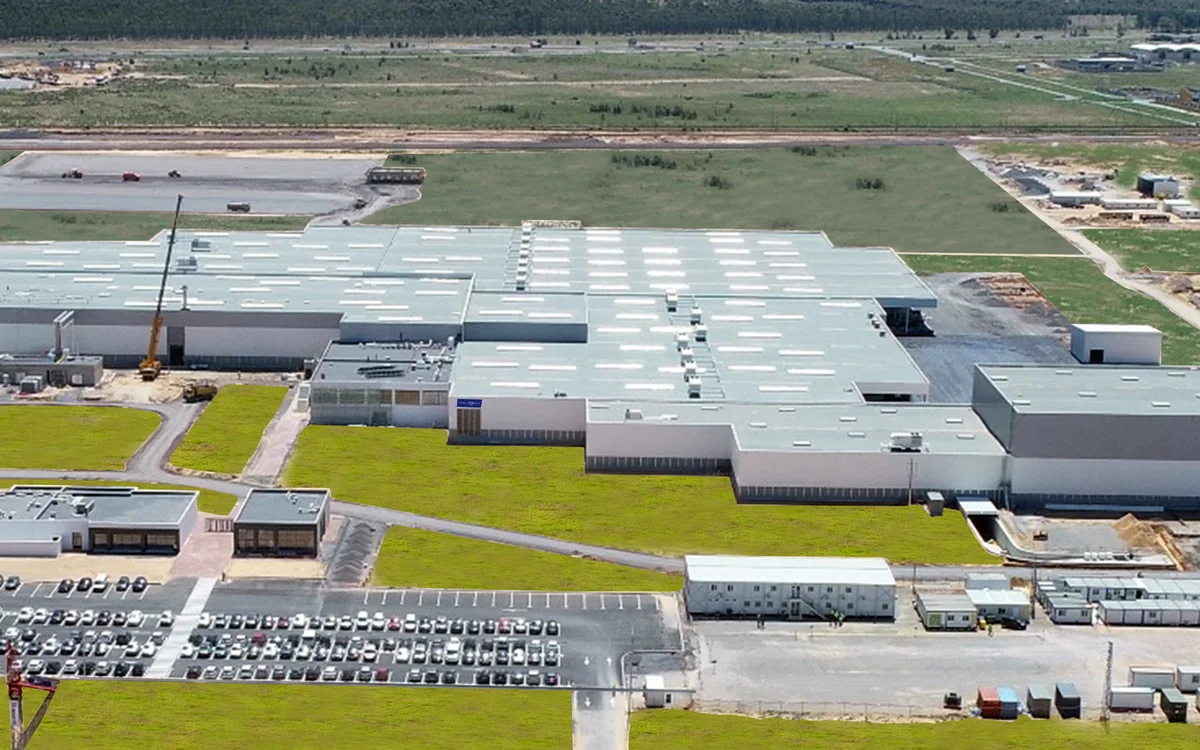
Stellantis began producing vehicles on its Smart Car platform at Kénitra in Morocco on July 15, 2026. The company identified the Fiat Fastback and Grizzly as the first two models for the platform at the site. The start of production moves an investment announced in 2022 into vehicle assembly and gives parts suppliers a firmer milestone for tracking the Moroccan programme.
In November 2022, Stellantis said it would invest more than €300 million at Kénitra and double the plant’s annual vehicle capacity to 400,000. The announcement separately listed capacity for 50,000 electric micromobility products, including the Citroën Ami and Opel Rocks-e. Those were two different output categories. The combined figures for the proposed expansion do not give an annual production rate for the new Fiat models. The July announcement confirms that the site has begun producing Smart Car vehicles and does not give a model-by-model volume or a plant utilisation figure.
The commercial schedule is a separate milestone. In its French-language release, Stellantis said it expected the Fastback and Grizzly to reach the market from the final quarter of 2026. It described powertrain options ranging from combustion engines to electric drive. The release does not give a delivery calendar for each market or a breakdown of the first production batches by powertrain. Fiat distributors can therefore use the quarter as a planning reference, while the timing and specifications of individual stock orders still depend on market-level information.
Kénitra combines vehicle assembly, engine production and micromobility operations, according to Stellantis. The company says it is seeking a 75% local integration rate by 2030 and plans to draw on local and regional suppliers. That target indicates where procurement may change as production grows. The July announcement did not identify new supplier awards or give a current integration figure for the Fastback or Grizzly.
For businesses supplying the plant, the next useful disclosures are actual production volumes, the split between models and powertrains, and the timing of local sourcing awards. Each would answer a different question. Total output indicates the scale of orders the site might support. Powertrain mix affects which components it needs, while awarded contracts show which of those purchases will actually be made locally.