
US new-vehicle transaction prices reach $51,109 in October
Kelley Blue Book’s estimated average rose 1.3% from September as incentives also increased. Compact vehicles still sold substantially below the national figure.
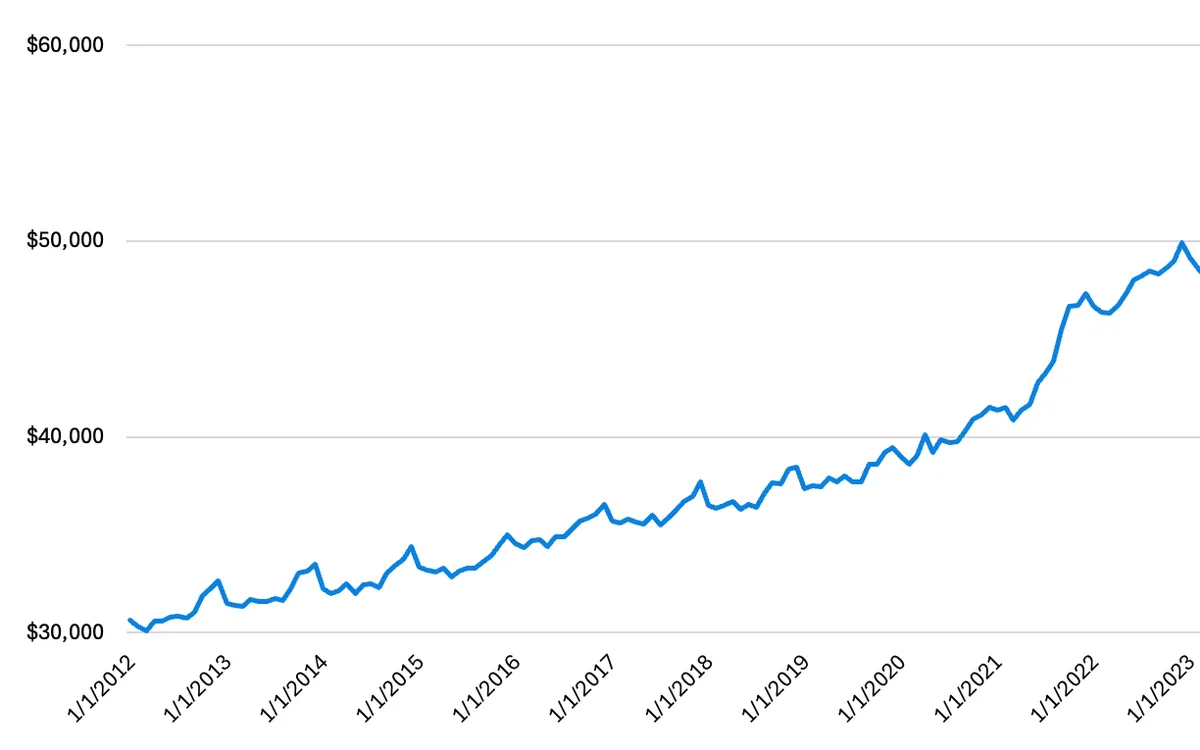
The estimated average price paid for a new vehicle in the United States reached $51,109 in October, Kelley Blue Book said on November 10. That was up $649 from a revised September estimate of $50,460 and 2.1% above October 2025. Kelley Blue Book called it a record in its series, even though the year-over-year gain was below the 3.6% October average it reported for the longer run.
The average manufacturer’s suggested retail price rose to $52,933, up 1.4% from September and 2.4% from a year earlier. The average incentive also rose. Kelley Blue Book estimated it at $3,490, or 6.8% of the average transaction price. That compares with 6.7% in September and 6.5% in October 2025. The three figures measure different things: the price the manufacturer suggests, the price paid in a transaction and the incentive offered to make a sale.
The mix of vehicles sold helps explain why a national average is well above prices in several large segments. Midsize SUVs overtook compact SUVs as the highest-volume segment in October. Their average transaction price was $50,570, compared with $37,895 for compact SUVs. Full-size pickups sold at an average of $67,912. The averages were $31,333 for subcompact SUVs and $28,030 for compact cars. Those five segments together accounted for 64.4% of sales, according to Kelley Blue Book.
Electric vehicle prices moved differently from the market overall. The electric average rose 1% from September to $56,220, but it was 2.7% below October 2025. Kelley Blue Book put EV incentives at 11.3% of transaction prices, close to 11.2% in September and above the 10.3% estimate a year earlier. The separate figures show that recent prices for electric vehicles rose slightly from September while falling against the previous October. Tesla’s average fell from September to $54,194 and was 1.2% higher than a year earlier, according to Kelley Blue Book, another example of how brands can move differently from the electric category as a whole.
For inventory and pricing teams, the headline average provides a national measure of what buyers spent across a mix of vehicles. Changes in sales mix can move it even when prices for a given model are stable. October’s mid-size and full-size categories sat much closer to or above the national average, while the compact categories transacted below it. A dealer comparing an individual deal with the market needs that vehicle’s segment, incentives and transaction terms alongside the all-market number.