
Isuzu spends R30 million on commercial truck assembly in Gqeberha
The South African plant lengthened its chassis line to make room for more assembly stations and changed equipment at engine and cab installation workstations.
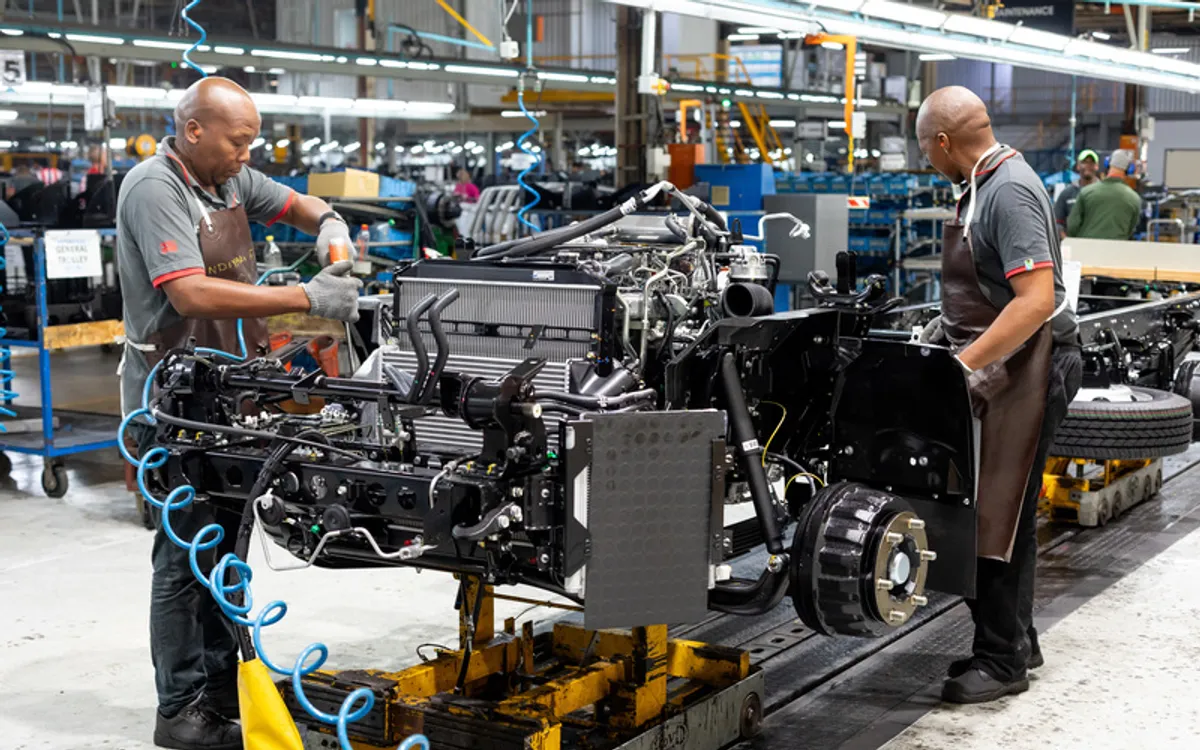
Isuzu Motors South Africa said on October 6 that it had invested R30 million in its commercial vehicle assembly plant in Gqeberha. The work extended the chassis line, giving the factory space for additional stations when it needs to fit more equipment to a vehicle. Isuzu also updated tooling and the layout in engine sub-assembly and in the area where the cab is installed on the chassis.
Extra stations give a truck plant another way to manage differences in build content across variants. Isuzu said the new layout and tooling would allow it to handle a broader range of commercial vehicle applications. The company gave no estimate of how many more trucks the plant could build each year following the work. The physical change is in the space and equipment available for each build, and the stated goal is more flexibility in what the line can handle.
The company also changed how production teams track work. It said digital traceability gives staff better visibility during assembly and supports quality control. Updated equipment includes electronic torque tools, a hoist for cab installation and a gripper to move fuel tanks, along with lift assists and changes to the way components are installed on the engine. Isuzu said those changes were designed to reduce physical strain. It also specified more efficient tools and motors, without giving a saving for electricity use on the line.
The Gqeberha subsidiary manufactures the N-Series and F-Series truck ranges as well as buses, according to a later company profile issued with its November truck launch. That profile lists 27,400 vehicles built in 2025 and annual capacity of 31,800 at the end of June 2026. Those figures cover the subsidiary’s wider manufacturing operation, which includes light vehicles as well as trucks. They give the scale of the local business but cannot establish a before-and-after change in commercial assembly capacity.
For parts makers, the extension matters because it changes what the factory has room to install without asking a single workstation to do all the extra work. The company’s description identifies changes to the chassis, engine and cab areas that suppliers and plant engineers will need to work with. The October investment statement leaves model allocations, station opening schedules and expected production volumes to later disclosures.