
Hyundai demonstrates automated hydrogen refuelling for trucks
The Goyang show paired an automatic dispenser for a fuel-cell cleaning truck with a new stack on display, fleet monitoring and trial rides.
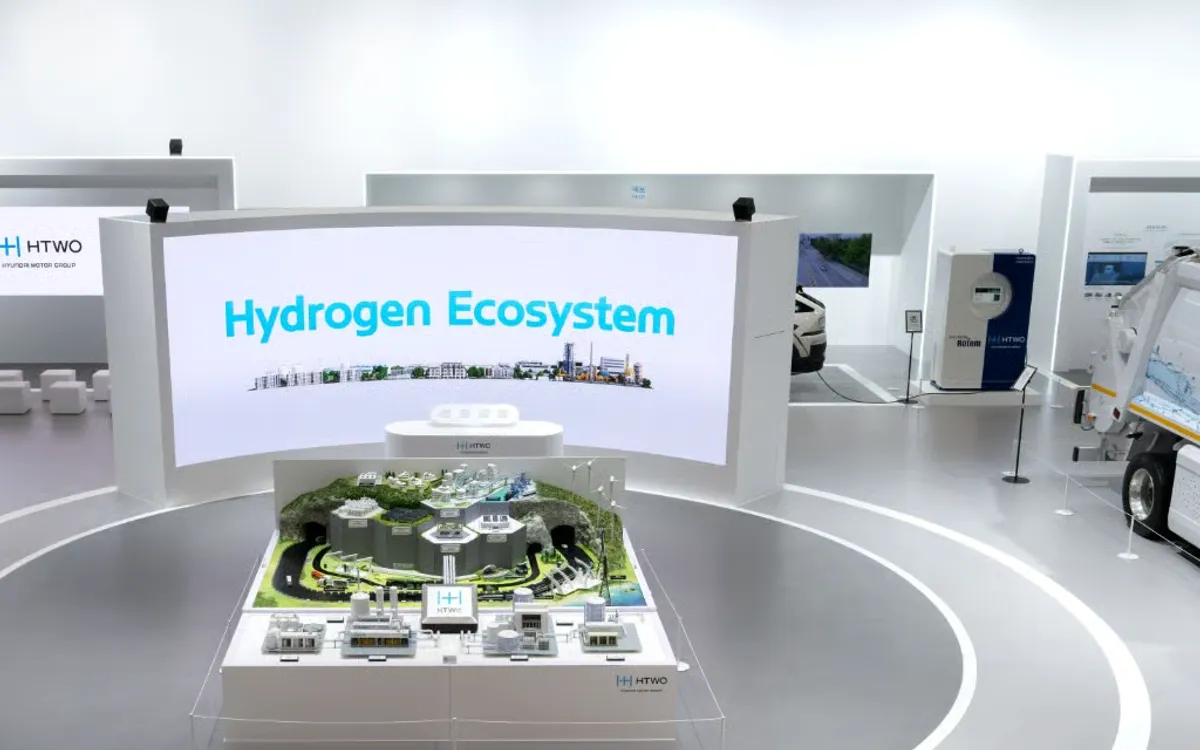
Hyundai Motor Group presented its first demonstration of a hydrogen refuelling robot for commercial vehicles at World Hydrogen Expo 2026, which opened on November 4 in Goyang, South Korea. The company used a fuel-cell cleaning truck to show how the robot could handle refuelling automatically. It also displayed a durability-focused commercial fuel cell and separate software for monitoring vehicles in service.
The refuelling exhibit addresses the work around a truck between shifts. Hyundai said the robot, called ACR-H, is intended to reduce repetitive tasks for commercial drivers. The group described the display as a demonstration. It gave no commercial launch date, list of compatible stations or fleet trial results at the expo. For operators, the next evidence would come from repeated use at a station serving different vehicles and duty cycles.
Hyundai's Bluelink Uptime Care addresses what happens on the road and back at the workshop. The company says the programme monitors vehicle operation and the condition of key components, sends alerts and can flag preventive maintenance. It also displayed a revised fuel-cell system with changes to cells and other components intended to last longer under commercial use. The announcement did not quantify the expected durability improvement. Fleet managers would need results in hours of operation or kilometres on routes similar to their own before estimating maintenance savings.
The displays extended to passenger vehicles and buses. Hyundai showed its 2027 NEXO SUV and allowed visitors to board a development version of its ELEC CITY low-floor intercity bus. It arranged rides for transportation and logistics operators in an enhanced UNIVERSE Fuel Cell coach and a new XCIENT Fuel Cell tractor. Hyundai's HTWO business puts the existing XCIENT programme in 17 countries as of September 2026. That figure describes the wider programme, which includes multiple vehicle configurations and gives context for the commercial setting into which the new equipment may eventually fit.
Hyundai also presented ways to produce hydrogen close to the fleets that might use it, including a modular electrolyser design and a waste-to-hydrogen model based on organic waste. It says a one-megawatt-class demonstration unit is operating in Gwangju. The expo connected vehicle maintenance, refuelling and fuel production in one exhibit. Each of those pieces has a separate timetable. For a fleet considering deployment, the relevant details include depot access, compatible refuelling equipment and support for the vehicles already on its routes.