
Honda to add Triton-based pickup in ASEAN from 2028 under Mitsubishi MOU
Honda and Mitsubishi Motors signed an MOU on October 22, 2026 for a Honda pickup based on the Mitsubishi Triton, due on sale in ASEAN in 2028. Honda gains a one-ton pickup line it lacks in the region; Mitsubishi expects higher output and better utilization at its Thai plant.
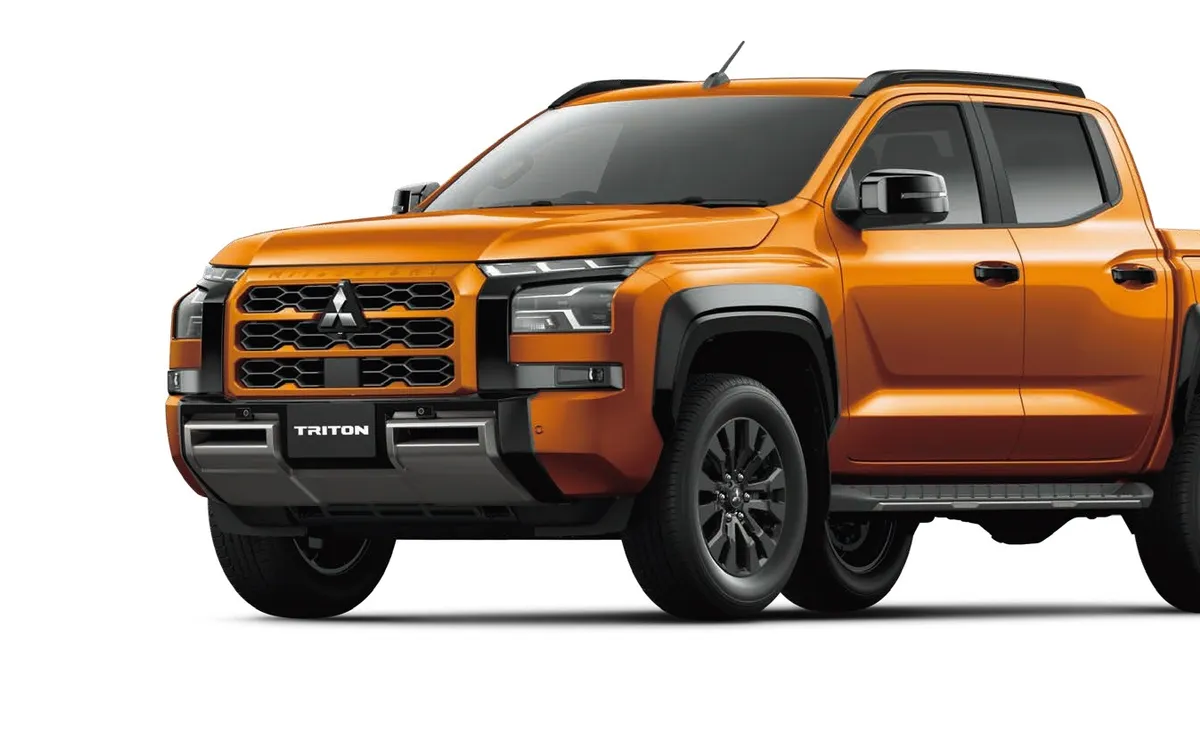
Honda Motor and Mitsubishi Motors signed a memorandum of understanding in Tokyo on October 22, 2026 to develop a Honda model based on the Mitsubishi Triton one-ton pickup, with sales scheduled to start in the ASEAN market in 2028. Honda said the deal is the first complementary supply arrangement between the two companies. It extends the three-company framework, including Nissan, set out in an August 1, 2024 MOU.
The mechanism is badge-based supply rather than joint development of a new platform. The Triton is a ladder-frame one-ton pickup, a segment Honda does not currently cover in ASEAN. Honda therefore adds a pickup to its regional line-up by sourcing a model derived from an existing Mitsubishi vehicle, rather than building one from scratch, compressing the time needed to reach showrooms.
For Mitsubishi, the same arrangement is a volume and utilization measure. The company said the collaboration will let it raise production volume and improve capacity utilization at its plant in Thailand. The plant is not named in the announcement and no volume, investment or pricing figures were disclosed. The incremental units are Honda-badged vehicles, so Mitsubishi's gain depends on the agreed supply volumes.
The geographic scope is the ASEAN market, with no indication that the model will be sold outside it. That contrasts with the Triton's status as a global strategic model for Mitsubishi, in high demand in ASEAN. Honda's own regional line-up, which lacks a pickup, is the specific gap this supply fills, and the 2028 timing leaves roughly two years between signing and launch.
The memorandum describes the plan to develop and supply the model. It does not set out which countries will get it first, how dealers will distribute it or how each company will source the parts fitted to its version. The schedule gives both companies a launch year to work toward. The announcement does not identify individual markets or commit to a number of units.
The arrangement sits inside a wider three-company partnership with Nissan that the parties say they will keep deepening. For industry readers, the practical distinction is between complementary supply, which uses an existing vehicle, and platform co-development, which does not. Honda gets a pickup faster; Mitsubishi gets a utilization lever whose size is still undefined.